Before work begins, most homeowners ask: how long does a bathroom remodel take? A standard full remodel usually requires three to six weeks of construction.
That estimate covers demolition through the final walkthrough. Design, permits, product ordering, and contractor scheduling can add several weeks before demolition starts.
Planning guide: how long does a bathroom remodel take
The scope of work has the largest effect on the schedule. Replacing finishes in the existing layout moves much faster than relocating plumbing or rebuilding damaged walls.
| Project type | Typical construction time |
|---|---|
| Small cosmetic update | 1 to 2 weeks |
| Standard full remodel | 3 to 6 weeks |
| Primary bathroom remodel | 6 to 10 weeks |
| Major layout change or addition | 8 to 12 weeks or longer |
A cosmetic update may include paint, lighting, hardware, and a new vanity. A full remodel usually involves demolition, plumbing, electrical work, waterproofing, tile, and new fixtures.
These ranges assume the contractor has materials ready and crews scheduled. Custom cabinets, special-order tile, or permit delays can extend the calendar.
Pre-construction work can add several weeks
The project timeline starts before anyone removes a fixture. Most homeowners need two to eight weeks for planning, estimates, selections, contracts, and product orders.
Permit review can add days or weeks, depending on local requirements. Your contractor should confirm which permits and inspections the project needs.
Design and material selections
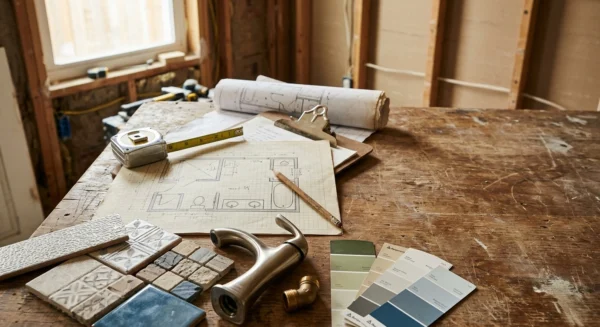
Choose the layout, fixtures, tile, lighting, and paint before demolition. Early decisions help the contractor price the work and build an accurate schedule.
Custom vanities, glass enclosures, and imported tile often carry long lead times. Order those items early, then inspect each delivery for damage or missing parts.
Contractor scheduling
Experienced remodelers may book projects several weeks or months ahead. Ask for an estimated start date and a projected completion window in writing.
A contractor should also explain how subcontractors fit into the schedule. Plumbers, electricians, tile setters, and glass installers rarely work on the same day.
Typical bathroom remodel timeline by phase
Every job follows a slightly different sequence. However, most full bathroom remodels include the following phases.
Demolition: 1 to 3 days
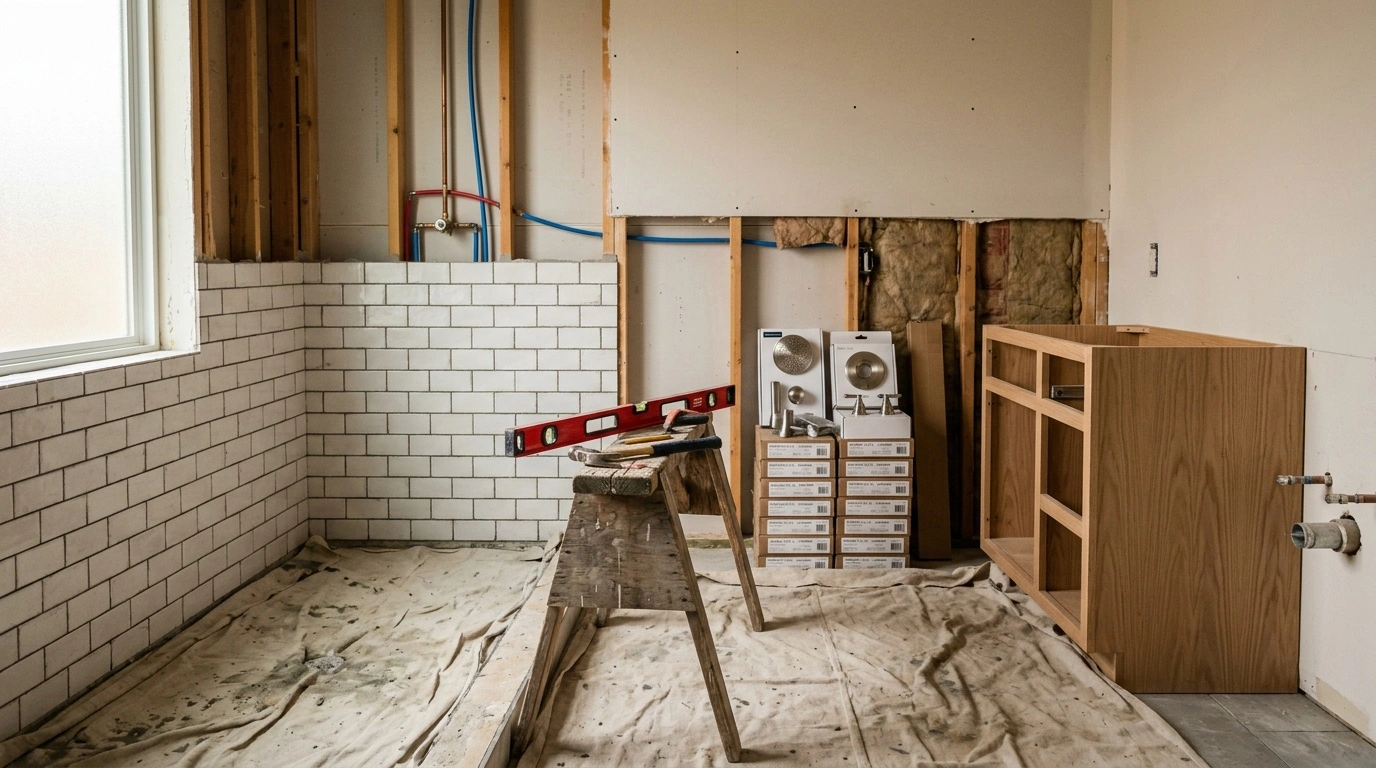
The crew removes fixtures, flooring, wall finishes, and cabinetry during demolition. A small bathroom may take one day, while careful selective demolition takes longer.
Demolition can reveal leaks, rot, mold, or unsafe wiring. The contractor must address those problems before closing the walls.
Framing and structural repairs: 1 to 4 days
Layout changes may require new walls, door openings, blocking, or floor repairs. Structural damage can extend this phase and may require an engineer’s review.
Plumbing and electrical work: 2 to 5 days
Plumbers install supply lines, drains, valves, and fixture connections. Electricians run circuits for lighting, receptacles, ventilation, and heated floors.
Moving a toilet or shower drain adds labor and may require floor or concrete work. Keeping fixtures in their current locations usually shortens the schedule.
Inspections: 1 to 5 business days
Many jurisdictions inspect rough plumbing, electrical work, and framing before the crew closes the walls. Inspector availability often determines the wait.
The crew cannot control the permit office’s calendar. Still, an organized contractor can request inspections promptly and keep paperwork ready.
Drywall and waterproofing: 3 to 7 days
The crew hangs drywall, finishes joints, prepares wet areas, and installs the waterproofing system. Drying and curing times limit how quickly this phase can move.
Do not rush waterproofing. A missed seam or poorly prepared drain connection can cause expensive water damage later.
Tile installation: 4 to 10 days
Tile work often takes longer than homeowners expect. Layout, cutting, setting, curing, grouting, and sealing each require time.
Large-format tile may reduce grout lines but demands careful surface preparation. Mosaics and detailed patterns add cutting and layout work.
Fixture installation and finish work: 2 to 5 days
The crew installs the vanity, toilet, faucets, lights, accessories, and trim. Painters complete touch-ups, and the electrician connects finished devices.
A custom shower enclosure usually requires a final site measurement after tile installation. Fabrication can take one to three weeks, depending on the glass company.
Final inspection and punch list: 1 to 3 days
The contractor tests fixtures, checks drainage, adjusts doors, and corrects small defects. The local inspector may also need to approve the completed work.
Factors that can extend the remodel
Changes to the floor plan
Moving walls or plumbing fixtures adds demolition, framing, and trade work. It may also trigger new permit or engineering requirements.
Hidden water damage
Slow leaks often remain invisible until demolition exposes the framing or subfloor. Repairing rot and finding the leak source can add several days.
Older homes may also contain lead paint, asbestos, outdated wiring, or galvanized pipes. Qualified professionals should assess and handle those conditions under local rules.
Material availability
A missing valve or damaged vanity can stop several later tasks. Confirm product availability before setting the demolition date.
Stock materials usually arrive faster than custom products. However, the crew should verify dimensions and compatibility before installation.
Change orders
Mid-project design changes disrupt purchasing and crew schedules. Even a small fixture change may require different plumbing, blocking, or electrical work.
Document each change with its cost and schedule impact. This keeps the budget and completion date clear.
Limited site access
Condos, upper floors, narrow stairs, and restricted work hours slow material handling. Building management may also require reservations for elevators or loading areas.
How DIY work affects the timeline
A homeowner-led remodel often takes longer than a contractor-managed project. Most homeowners work during evenings or weekends and coordinate trades for separate visits.
A basic DIY update may take several weekends. A full bathroom rebuild can stretch across several months, especially when inspections and specialty trades enter the schedule.
Keep licensed work with qualified professionals where local codes require it. Plumbing, electrical, structural, and waterproofing mistakes can erase any initial savings.
Ways to keep a bathroom remodel on schedule
- Finalize the layout and finish selections before demolition.
- Order long-lead products early.
- Inspect fixtures, tile, and cabinets after delivery.
- Confirm permits and inspection requirements before work starts.
- Use a written scope that assigns each task and material.
- Set aside a contingency fund for hidden damage.
- Respond quickly when the contractor needs a decision.
- Avoid unnecessary changes after construction begins.
Ask the contractor for a schedule with major milestones rather than a single completion date. Milestones make delays easier to identify and manage.
Also clarify which days the bathroom will remain unusable. A crew may pause on site while materials cure or inspectors review the work.
Build a realistic bathroom remodel schedule
A written scope gives the clearest answer to how long does a bathroom remodel take. It connects the design, material lead times, permits, labor, and inspection schedule.
Plan on three to six weeks for a standard full remodel after construction begins. Add pre-construction time and a reasonable buffer for deliveries or concealed damage.
Good scheduling cannot prevent every delay. However, firm selections, ready materials, and clear communication keep the project moving.