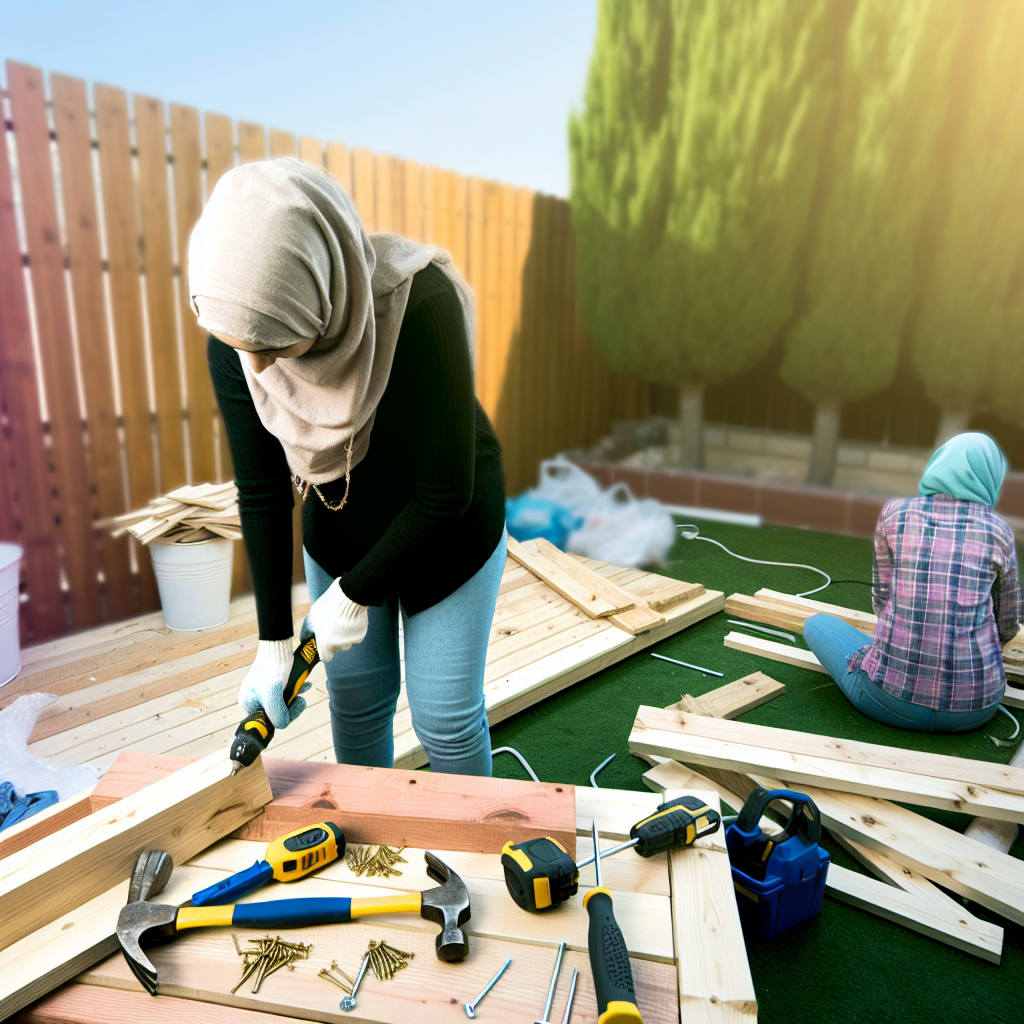
Discover the Joy When You Do Home Improvement Projects Yourself
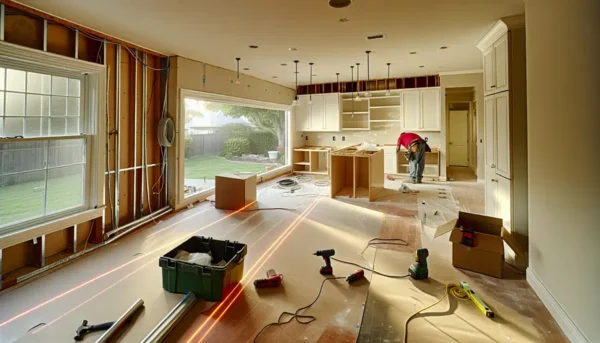
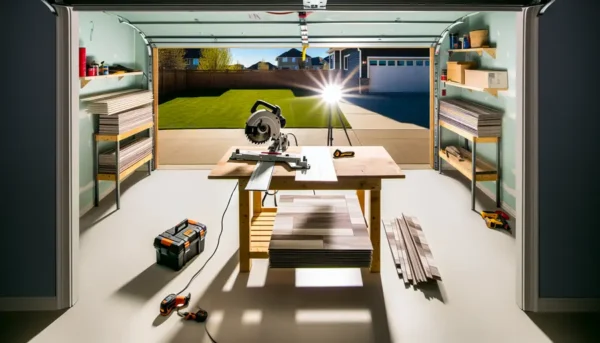
When you do home improvement projects yourself, you unlock a rewarding mix of creativity, flexibility, and cost savings. Whether you’re upgrading a backyard, converting a camper van, or customizing your home between adventures, DIY allows your space to reflect your personality and lifestyle. As remote work grows and the DIY movement expands, more individuals and families are embracing projects that make living spaces truly their own.
From the warmth of Southwest adobe to the crisp coastal charm of New England, design inspiration is all around you. These doable, high-impact upgrades require only a clear plan, basic tools, and a weekend’s dedication.
Create an Outdoor Living Space That Reflects Your Lifestyle
Outdoor areas often evolve into the heart of the home. Families and wanderers alike appreciate time outside, whether barbecuing, stargazing, or simply relaxing. Many backyard transformations begin with a foundational project like installing a patio using interlocking pavers. You’ll find supplies at local hardware stores from Flagstaff, Arizona to Portland, Maine. With some gravel for a base and a level surface, this DIY effort is both manageable and affordable.
Next, create ambiance with a fire pit made from heat-resistant stone and a metal insert—kits available at popular home centers often echo regional styles. Consider installing a pergola to add shade and charm. Hang fairy lights or let vines grow to enhance the atmosphere.
Seating ties it all together. Reclaimed pallet wood can be repurposed into benches and tables. When you do home improvement projects yourself, customize finishes using weatherproof sealants or color themes inspired by your favorite places—think Mediterranean blues or the rich earth tones of Tuscany.
Add Fresh Color With Paint and Local Inspiration
Painting is one of the easiest, most transformative home updates. From bold accent walls to soft neutral palettes, paint lets you reimagine any room in a matter of hours. In cities known for their artistic flair like Santa Fe or Austin, residents often draw on local murals or desert hues for unique color schemes. You can do the same by translating your favorite landscapes into interior tones.
Families with kids might try chalkboard paint on a playroom wall—perfect for creativity or weekly schedules. For travel-inspired homes, mimic natural colors like Zion’s ochre cliffs or the turquoise waters of the Florida Keys. Refreshing stair risers or kitchen cabinets adds eye-catching detail. Choose eco-friendly, low-VOC paints to prioritize both your family’s health and the planet.
Save Money and Energy With Smart Fixture Upgrades
Eco-conscious improvements add long-term value. When you do home improvement projects yourself, installing LED bulbs, smart thermostats, or energy-efficient fixtures can dramatically reduce utility costs. Smart systems like Google Nest or ecobee adjust temperatures based on your habits for maximum efficiency.
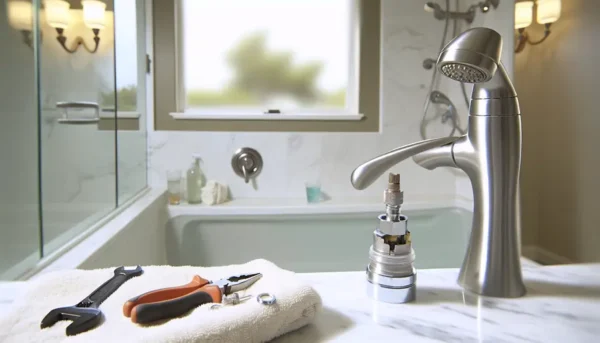
Upgrade older windows with double-pane, insulated models to reduce drafts and enhance comfort. For fewer windows, this can be a DIY win with guides and tools readily available. In bathrooms and kitchens, switching to low-flow faucets cuts water bills without sacrificing pressure or performance.
More ambitious DIYers in areas like the Pacific Northwest might install rain barrels or solar garden lights. These small steps create sustainable systems that complement your outdoor aesthetic and reduce your environmental impact.
Design Personalized Storage That Works for You
Efficient storage blends form and function. Whether your needs revolve around kids, travel gear, or workspace essentials, custom setup is key. Doing home improvement projects yourself means placing shelves exactly where they’re needed or building solutions tailored to your gear. Try creating a mudroom or gear alcove with cubbies, hooks, and built-in benches for easy organization in all seasons.
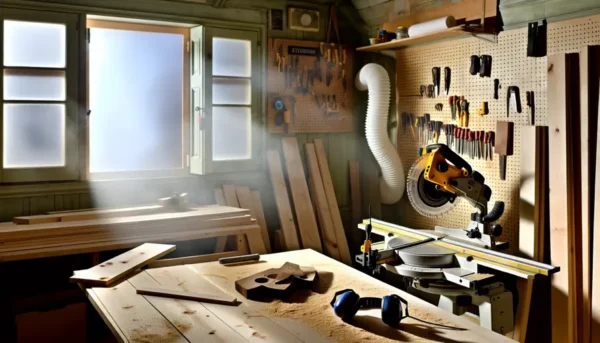
Reclaimed wood shelves, modular closets, and barn doors help optimize space while adding rustic charm. Use IKEA hacks or salvaged materials from antique stores to build stylish, budget-friendly pieces. Pegboard systems and upcycled cabinets from Habitat ReStores can turn any wall into dynamic storage—perfect for garages, craft rooms, or pantries.
Grow Something Beautiful With DIY Landscaping
Gardening offers beauty, food, and serenity. Even small outdoor areas can flourish with raised beds made from cedar planks or railway ties. Choose native plants from local nurseries in places like Charleston or Sedona to ensure longevity and low maintenance.
Vertical gardens using frames, planters, or hanging pots allow apartment dwellers and renters to enjoy greenery. These compact gardens suit herbs, lettuces, and flowers, creating a lush atmosphere in small-footprint homes. Families often cherish the joy and learning that come from watching vegetables grow.
Hardscaping adds structure and regional flair. Try gravel walkways, repurposed tree-stump steps, or retaining walls. Use lava rock in Hawaii or crushed shell in Florida gardens for a local look that also supports drainage and soil health.
Turn Unused Spaces Into Functional Retreats
With remote work and flexible learning on the rise, transforming small spaces into high-functioning zones is more popular than ever. Convert awkward corners into cozy reading nooks or upgrade kids’ bedrooms with loft beds that feature built-in desks. These enhancements add utility without major costs.
Cabin-style banquettes built with MDF, foam, and fabric become warm seating areas for dining or lounging. To elevate the space, use handcrafted textiles from local artisans or markets discovered during your travels. Add wall sconces or battery-operated puck lights to increase functionality while avoiding complex wiring jobs.
For quiet, use cork tiles or acoustic panels mounted easily with adhesive strips. Want flexible division? Try installing a rolling garage door as a creative alternative to permanent walls. When you do home improvement projects yourself, every space becomes a canvas for utility and style.
Know When to DIY and When to Call in Help
The DIY mindset encourages confidence, but knowing your limits ensures safety and success. It’s important to leave structural tasks—like removing walls, rerouting plumbing, or updating electrical—to licensed professionals. These often require permits and specialized skills.
That said, when you do home improvement projects yourself, you gain a better understanding of your home’s structure and quirks. This knowledge helps you plan future upgrades, communicate better with contractors, and maintain your space more effectively over time.
Whether you’ve trekked Iceland, hiked the Rockies, or road-tripped through the South, the same spirit of discovery and problem-solving applies at home. DIY is more than fixing things—it’s a chance to tell your story, build something meaningful, and make your home a reflection of your journey.