Can You Cut Metal with a Miter Saw? Understanding the Basics
Can you cut metal with a miter saw? Yes, you can—but with the right preparations. While miter saws are traditionally used for woodworking, many DIYers, vanlifers, and mobile craftsmen have successfully repurposed these tools for cutting metal. Whether you’re renovating a trailer in the high desert or crafting a steel shelf on the coast, miter saws can tackle metal cutting when properly equipped. With the correct blade, safety gear, and technique, you can safely add metalworking to your mobile workshop repertoire.
What Types of Metal Can a Miter Saw Cut?
Although designed for wood, a miter saw can cut certain metals if used correctly. The success largely depends on the type of metal, the blade chosen, and your saw’s power. Here are the most common metals you can cut with a miter saw:
- Aluminum: Lightweight and soft, aluminum is ideal for beginners and popular for trailer mods and structural upgrades.
- Mild Steel: A common material for frames and fencing. You’ll need a powerful saw and a quality metal-cutting blade to manage this safely.
- Copper and Brass: Frequently used in plumbing and decorative applications. These softer metals cut easily but still require care.
Keep in mind that harder metals like stainless steel should be avoided unless your saw is specifically rated for higher-resistance materials.
Essential Equipment and Modifications for Cutting Metal
Before you start, it’s crucial to equip your miter saw correctly. Cutting metal demands more from your tools than cutting wood, so take these steps to prep:
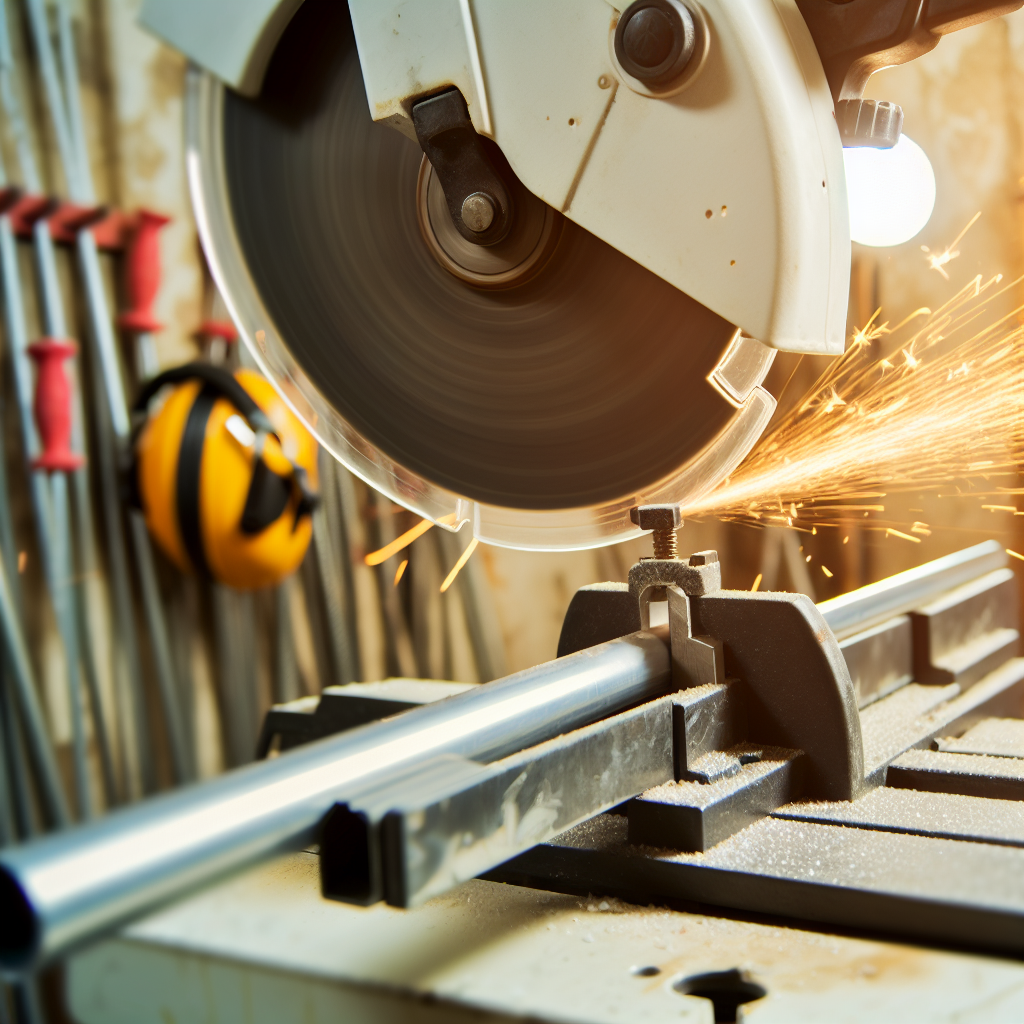
- Use the Right Blade: Switch out your standard blade for a carbide-tipped metal-cutting blade or an abrasive disc, compatible with your saw’s RPM. Brands like Diablo and Evolution produce top-rated options.
- Check Motor Power: A motor rated at 15 amps or higher will provide the torque needed to cut metal efficiently and reduce tool strain.
- Secure the Material: Use strong clamps to prevent your workpiece from shifting during the cut. Metal’s density causes vibration that impacts safety and accuracy.
- Apply Lubrication: Metal heats up fast when cut. Applying wax lubricants or cutting oil will cool the blade and extend its life, especially important in warmer climates like Arizona or New Mexico.
Always wear proper safety gear: safety glasses, gloves, hearing protection, and flame-resistant clothing. Metal sparks can cause injuries quickly, and you’ll want full protection while you work.
Safety Tips: How to Cut Metal with a Miter Saw Safely
Asking “can you cut metal with a miter saw” goes beyond curiosity—it’s a safety-critical question. Missteps can lead to damage or injury. Make your workspace safe with the following precautions:
- Clear Flammable Materials: Metal sparks can ignite nearby plastics, sawdust, or fuel. Always create a spark-free zone before cutting.
- Ensure Proper Ventilation: Metal cutting produces fumes and dust. Whether you’re in a garage or a pop-up maker space, airflow is essential.
- Use Slow, Controlled Cuts: Forcing the blade through the metal increases wear and risks kickback. Let the blade do the work.
- Inspect Tools Regularly: Travel and vibration can loosen parts. Check your blade, guards, and power cord before every session.
Traveler tip: Keep a fire extinguisher or a small bucket of sand nearby—especially if you’re working in dry regions or rural areas. One spark is all it takes.
How DIY Travelers and Nomads Use Miter Saws for Metal Projects
Wondering where people actually use this technique? Across the country, mobile DIYers have found creative and practical uses for metal-cutting with a miter saw. Here are some real-world stories:
- Families on road trips have used aluminum cuts to build van bunk beds or modular kitchen stations.
- Digital nomads in Oregon’s remote towns craft desks from salvaged steel for mobile work setups.
- Artisans in Asheville’s River Arts District shape reclaimed signage into gallery-ready creations.
Meanwhile, mobile makerspaces and co-op studios along the way offer access to high-grade miter saws and provide great learning opportunities. Visiting workshops in cities like Burlington, Vermont or Fayetteville, Arkansas can introduce you to tools, techniques, and safety practices you might not otherwise encounter.
Pro Tip for Travelers:
Look up regional maker spaces or hardware co-ops before arriving in a new town. Some offer day-use passes or tool rentals, perfect for self-directed van renovations or craft projects.
Where to Buy Metal-Cutting Supplies When You’re on the Road
Mobile living doesn’t mean limited access to tools. Several dependable vendors make it possible to pick up what you need nationwide:
- Harbor Freight: Known for affordability. Locations in cities like Flagstaff and Bozeman stock budget-friendly blades and safety gear.
- Home Depot & Lowe’s: National chains offering a variety of miter saw blades and accessories—even in semi-rural areas.
- Local Hardware Stores: Shops in towns like Fairbanks, Alaska or Salida, Colorado often have deep local expertise and may even sell used equipment.
Call ahead whenever possible. Not every branch stocks metal-cutting blades, but many can order and hold them for quick pickup during your travels.
Should You Cut Metal with a Miter Saw?
So, can you cut metal with a miter saw? Absolutely—but only with the right tools, technique, and safety precautions. Whether you’re crafting solar panel mounts in Utah or building custom bike racks in the Pacific Northwest, a miter saw can handle metal with precision if properly configured.
This capability empowers remote workers, nomadic families, and DIY artists alike to create and repair while on the go. Equipped with the correct saw blade, secure setup, and a safety-first mindset, your miter saw can become a versatile addition to any mobile workshop.
So gear up, stay safe, and go make sparks fly—responsibly. Whether you’re riveted in New Mexico or welding in Washington, the road has room for craftsmanship, creativity, and a whole lot of cut metal.