How to Fix a Sagging Roof: Understanding the Causes
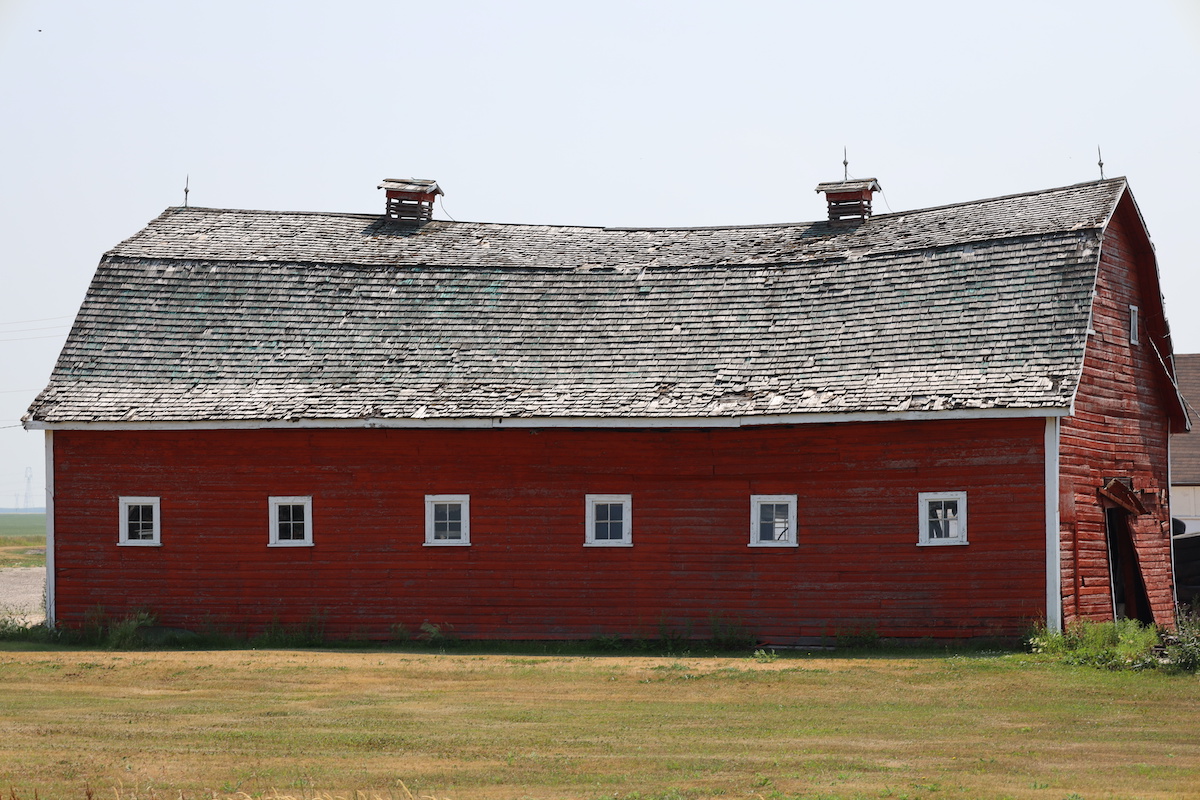
How to fix a sagging roof starts with identifying what’s causing the problem. Whether you’re camping near Lassen Volcanic National Park or enjoying Montana’s Gallatin Valley, many vintage A-frames and old cabins eventually suffer from roof sag. In alpine regions, heavy snowfall puts pressure on the structure, leading to distortions over time. Even desert hubs like Sedona, Arizona, can experience sagging roofs due to framing issues, termite damage, or simply aging materials.
Typically, a sagging roof suggests that something beneath the shingles has gone awry. Common culprits include undersized rafters, water damage, absent bracing, or a compromised ridge beam. In places like the adobe homes of New Mexico or historic farmhouses in Vermont, weather and time often wear down the original materials. Understanding the root cause helps determine whether a minor repair will suffice or if a larger rebuild is required. Not all sagging roofs call for demolition.
Inspect the Roof Before You Begin Any Repairs
Before rushing to fix a sagging roof, perform a detailed inspection. Much like planning a hike through high-elevation terrain, you need solid knowledge before taking action. Examine the roof both from the ground and inside the attic. Look for sagging ridges, cracked rafters, water stains, or visible light at the peak. In rain-heavy areas like Portland or Orcas Island, moisture-related rot in roof sheathing is a common cause of sagging.
In historic Victorians in Galveston or Charleston, where layouts can hide structural imperfections, check for subtle but important shifts. Use a level along the ridge line to catch any dips. Even a millimeter of displacement can signal deeper structural issues.
Regular attic inspections, especially after storms, are essential. Bring a flashlight and look for signs of mold, cracks, or weakened rafters. Once you know exactly what’s failing, you’ll be better positioned to decide whether repairs like sistering or bracing will solve the problem — or if more advanced methods are needed to fix a sagging roof.
How to Fix a Sagging Roof Using Sister Rafters
One of the most effective and budget-friendly options for how to fix a sagging roof is the installation of sister rafters. This method involves reinforcing weak rafters by attaching new boards alongside them. Think of it like adding an extra climbing rope before ascending steep cliffs in Zion National Park — simple, safe, and effective.
To execute this technique, first measure the length of each sagging rafter. Choose new lumber that matches or slightly exceeds the existing size — usually 2×6 or 2×8 boards. In regions like Tahoe or Western Colorado, woods like old-growth pine or cedar are ideal. Attach each sister rafter using construction adhesive and secure it every 12 inches with carriage bolts. Local hardware stores in towns like Missoula and Moab often stock the materials you’ll need, plus offer regional advice.
Even if the sag is barely noticeable, sistering can prevent future dips — a useful strategy in snow-heavy areas like Snowshoe, West Virginia. In Oregon’s Columbia Gorge, homeowners often sister both sides of the rafters during remodels to prolong roof life and improve snow load tolerance.
Reinforce with Collar Ties or Bracing
Another powerful option for how to fix a sagging roof is the addition of collar ties or rafter ties. These horizontal supports strengthen the roof structure by minimizing outward rafter spread — like strapping down a loaded backpack before climbing Mount Rainier.
Collar ties are attached near the upper third of the attic, while rafter ties sit lower, in the bottom third. Secure 2×4 or 2×6 boards horizontally between two opposing rafters using nails or screws. This method is popular not just in rustic cottages found in the Hiawatha National Forest, but also in urban retrofits in places like Cape Cod or Savannah.
If your roof uses trusses rather than rafters, avoid altering the structural design. Instead, install angled bracing to reinforce the affected areas. In places like Durango or Boise, this approach is often combined with insulation upgrades to combat shifting indoor temperatures and reduce long-term wear.
Advanced Repairs: Jacking Up the Roof
For major structural dips — often more than two or three inches — jacking the roof is a viable approach to fix a sagging roof. This challenging method is best for experienced DIYers or those working closely with professionals. In remote locations like northern Michigan’s Upper Peninsula or DIY homesteads in Joshua Tree, jacking up a sagging ridge is a common — though intensive — fix.
This process involves placing hydraulic jacks beneath the drooping section and elevating the roof slowly over several days. Supporting the lift with temporary beams or a makeshift wall ensures an even, damage-free raise. Avoid moving too quickly — hastening the process could cause drywall cracks or additional structural damage.
Once the roof is properly raised, install permanent supports such as Laminated Veneer Lumber (LVLs), sister rafters, or metal brackets. In snowbelt areas like upstate New York or Duluth, lift projects should be timed with dry, mild weather. It’s wise to consult a structural engineer — especially in mountainous regions like Nederland, Colorado — to ensure everything complies with local codes and environmental loads.
How to Prevent Roof Sagging in the Future
Understanding how to fix a sagging roof is only part of the equation — keeping it from sagging again is equally important. Seasonal roof maintenance plays a vital role. After major storms, remove debris promptly, particularly in leafy zones like the Appalachian corridor or Northern California’s redwood belt near Arcata.
Trim back overhanging branches and clean your gutters regularly. Clogged drains lead to water buildup — which then seeps under shingles, causing wood rot and sag. This preventative step is especially important in wet regions like the Olympic Peninsula.
In snowy climates, use a roof rake to clear excess buildup and prevent ice dams. Plan roof inspections in spring and fall, when roofing elements are most accessible and weather conditions are mild. Well-timed checks preserve the roof’s structure and extend its lifespan, helping you avoid repeated repairs.
Using Local Materials and Experts for Region-Specific Repairs
While learning how to fix a sagging roof gives homeowners autonomy, localized knowledge and materials offer tailored solutions. In hurricane zones like Key West, consult builders with experience reinforcing roofs against strong wind loads. High-altitude towns like Park City or Flagstaff often have roofers who specialize in managing snow and freeze-thaw pressures.
In the desert Southwest — particularly around Taos or in Earthship communities — mix traditional methods like mud brick with modern tools like steel rebar or hidden mesh supports. Heritage-rich areas like Saint Augustine or Savannah may require permits for structural changes, which helps maintain visual and historical authenticity.
Sourcing materials locally also improves compatibility with native building practices and weather patterns. For instance, using region-appropriate wood and fasteners ensures long-term success. Whether you’re restoring a cabin, beach house, or mountain getaway, expert input ensures your repairs hold strong for years to come.
Preserve Your Home’s Charm While Making Strong Repairs
Knowing how to fix a sagging roof empowers you to protect your home without sacrificing its charm. Whether maintaining a rustic A-frame in Big Bear or a colorful cottage in Cape Cod, the goal is longevity — not a generic overhaul. Each repair is a chance to blend function with the timeless aesthetic that drew you to the house in the first place.
Whether you’re a couple hiking the Rockies, a family revisiting your Tahoe cabin, or a solo traveler restoring a coastal camper, a strong roof guarantees safety, warmth, and peace of mind. With clear guidance, region-aware resources, and proper technique, fixing a sagging roof becomes not just a repair — but a meaningful part of your story.