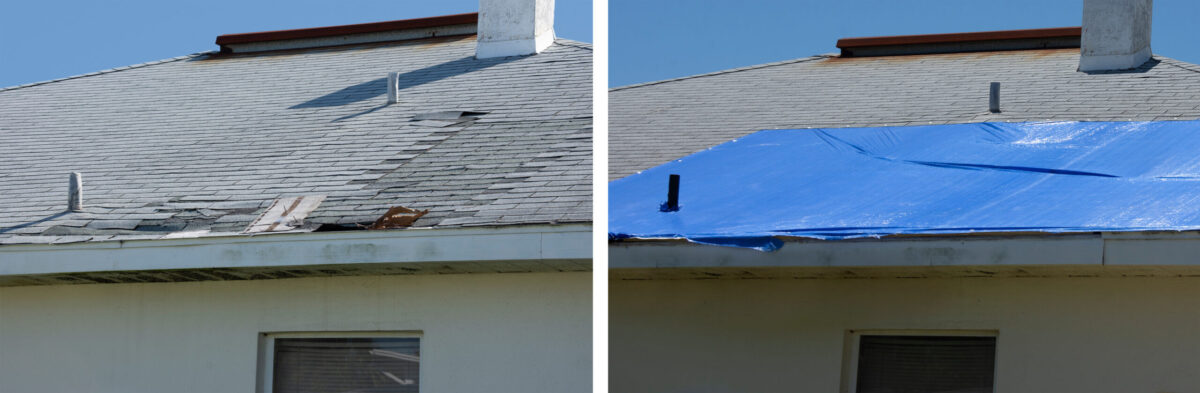
How to Fix Hole in your Roof: Essential Emergency Guide
When unexpected damage strikes your home, knowing how to fix hole in your roof can prevent a small problem from turning into a major disaster. From sudden storms to falling branches, roof damage rarely comes with warning — which is why understanding quick, reliable emergency repair techniques is crucial for any homeowner.
In this guide, you’ll learn practical steps to temporarily fix a hole in your roof, what materials to keep on hand for emergencies, and how to protect your home until a professional can make permanent repairs.
Assess the Damage and Stay Safe
If a hole appears in your roof, your first priority is safety. Before climbing up for repairs, carefully evaluate:
-
Weather conditions: Avoid working on the roof during lightning, heavy rain, or strong winds.
-
Roof structure: Make sure the decking beneath the damaged area appears stable.
-
Size and location of the hole: Smaller punctures may be repaired with tape or sealant, while larger holes may require tarping.
Understanding the type of roof you have also matters. Asphalt shingles, metal panels, wood shakes, and rubber membranes all require slightly different approaches, especially when applying temporary patches.
Emergency Materials Every Home Should Have
To handle unexpected roof damage, it helps to keep a small emergency repair kit ready. These items allow you to act quickly and prevent water damage before it spreads inside your home.
Emergency Roof Repair Kit Checklist:
-
Heavy-duty waterproof tarp (10’x10’ or larger)
-
Industrial-strength duct tape
-
Roof patch tape (e.g., EternaBond)
-
Rubberized spray sealant
-
Utility knife
-
Work gloves
-
Bungee cords or paracord for securing tarps
-
Optional: Caulking gun + roof sealant
These basic tools can temporarily reinforce a damaged section of roof and help you protect the interior of your home until permanent repairs can be made.
How to Fix Hole in Roof During an Emergency: Step-by-Step
If a leak begins and you need a fast, reliable solution, follow these steps for a temporary emergency fix:
1. Locate the Source of the Leak
Inside your home, identify where water is entering. Then trace upward to find the actual hole — remember, water often travels across beams before dripping down.
2. Dry and Clean the Area
Use a towel to dry the surface as much as possible. Clean the area with rubbing alcohol or a mild cleaner to remove debris and ensure strong adhesion for tape or sealant.
3. Apply Patch Tape
For small to medium holes, roof patch tape is one of the fastest, strongest emergency solutions.
Cut a piece that overlaps the damaged area by at least 2 inches on all sides. Press down firmly to create a watertight seal.
If patch tape isn’t available, layer duct tape over a thin piece of plastic or tarp.
4. Spray Sealant for Extra Protection
Rubberized spray sealant can help reinforce the patch and add water resistance. Allow the first coat to dry, then apply a second for durability.
5. Tarp Larger Areas
If the hole is too large for tape, cover it with a waterproof tarp.
Pull the tarp tight across the damaged area and secure it using bungee cords or rope attached to sturdy fixtures. A tight tarp prevents wind from lifting it and reduces further water intrusion.
6. Monitor the Repair
Temporary fixes can last several days or even weeks when maintained properly.
Check your patch after heavy rain or strong winds and re-secure it as needed.
Where to Get Emergency Supplies Quickly
Most towns have accessible hardware or home improvement stores stocked with the tools and materials necessary for emergency roof repairs.
Run to your nearest:
-
Home Depot
-
Lowe’s
-
Ace Hardware
-
True Value
-
Local roofing supply stores
These locations typically carry tarps, sealants, tape, and basic tools needed for urgent roof patching.
Stay Prepared and Protect Your Home
Knowing how to fix hole in your roof helps you act confidently and quickly when emergencies happen. While temporary fixes aren’t substitutes for professional repairs, they protect your home from water damage, mold, and structural issues until a licensed roofer can evaluate the situation.
The more prepared you are, the less stressful these emergencies become. A small toolkit, a clear plan, and a calm approach can save you time, money, and major damage to your home.