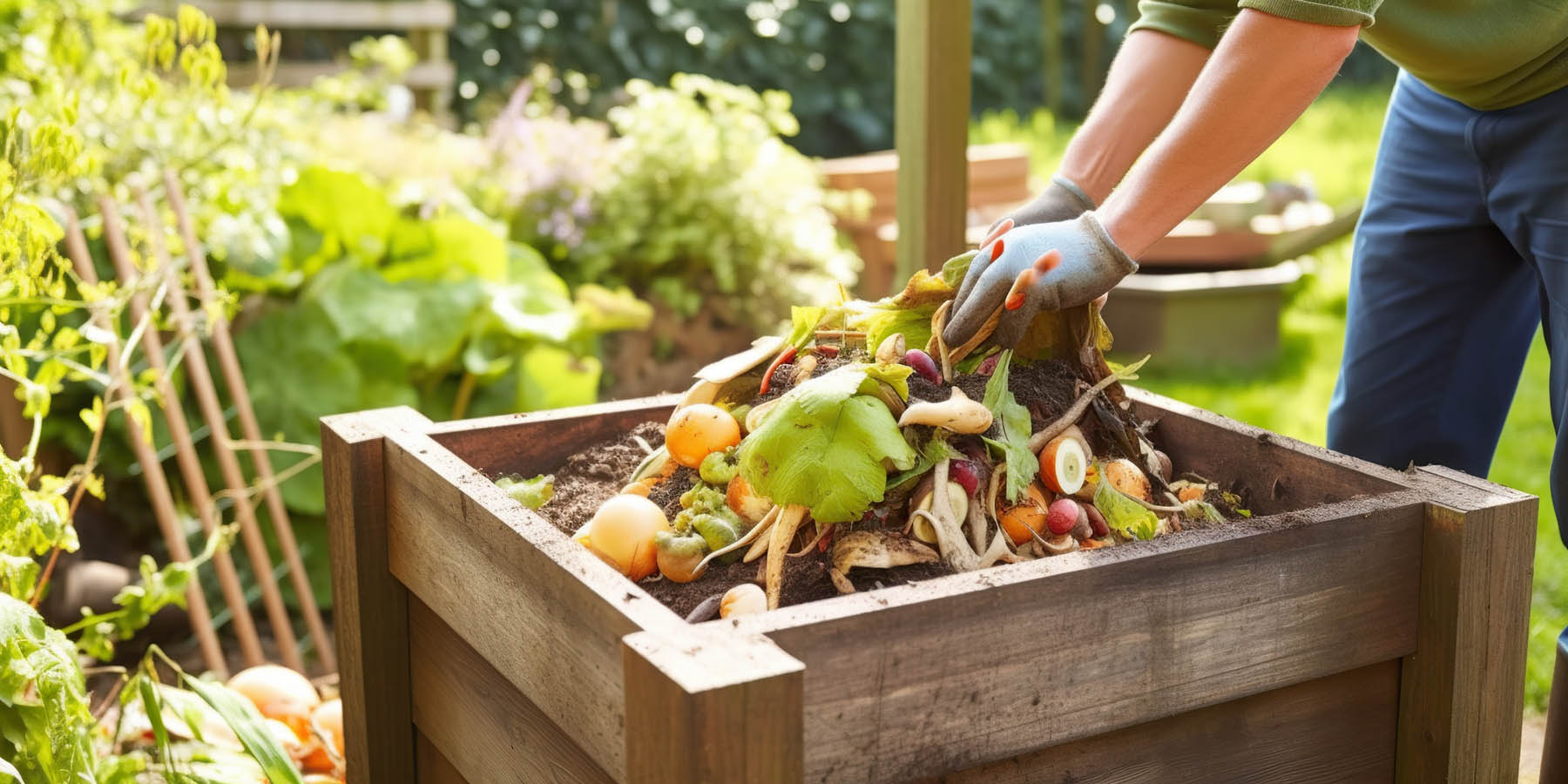
Composting is an environmentally friendly way to recycle kitchen scraps and garden waste, transforming them into nutrient-rich fertilizer for your plants. Installing and maintaining a home compost bin is the first step toward adopting this sustainable practice. By understanding the basics of composting and how to use a home compost bin effectively, you can turn organic waste into valuable compost for your garden while reducing landfill contributions.
Choosing the Right Home Compost Bin
Selecting the right compost bin is crucial for success. There are various types to consider, including tumbler bins, stationary bins, and worm composters. Each type offers unique advantages depending on your space, the volume of organic waste you generate, and the level of maintenance you prefer. A compact tumbler bin might suit small yards, while a larger stationary bin is ideal for gardens producing significant green waste. Assess your needs to ensure your home compost bin fits seamlessly into your routine and environment.
Setting Up Your Home Compost Bin
Position your compost bin in a convenient location. Choose a level, well-drained spot that is easily accessible throughout the year. For stationary bins, placing them directly on the soil allows beneficial microorganisms, worms, and insects to enter the bin naturally, speeding up decomposition. Make sure the location has partial shade to prevent excessive drying or overheating, which could disrupt the composting process.
Balancing Greens and Browns in Your Home Compost Bin
A successful compost bin requires the right balance of ‘greens’ and ‘browns.’ Greens, like vegetable scraps, fruit peels, and grass clippings, provide nitrogen, while browns, such as dry leaves, paper, and straw, supply carbon. Aim for a ratio of 1 part greens to 2 parts browns. This balance is key to creating a nutrient-rich compost and preventing unpleasant odors. Layering these materials in your home compost bin helps ensure they break down evenly.
Regular Maintenance
Maintaining your compost bin involves consistent care. Turn or mix the contents regularly to aerate the pile, promoting decomposition and preventing the buildup of anaerobic bacteria, which can cause odors. Monitor moisture levels—compost should feel like a damp sponge. If it’s too dry, sprinkle water to moisten it; if it’s too wet, add more browns like shredded cardboard or dry leaves to absorb the excess.
Managing Common Compost Issues
Using a home compost bin can sometimes present challenges, such as unpleasant odors, pests, or slow decomposition. Odors often signal an imbalance in the greens-to-browns ratio, while pests can be deterred by avoiding meat, dairy, and oily foods. Slow decomposition may indicate insufficient aeration or an unbalanced mix of materials. Regular monitoring and small adjustments can resolve these issues, keeping your compost bin working efficiently.
Harvesting and Using Compost
Compost is ready when it becomes dark, crumbly, and emits an earthy smell—a transformation that typically takes several months to a year. Once ready, the compost can be harvested and used to enrich garden soil, top-dress plants, or create potting mixes. Your compost bin can become a reliable source of this “black gold,” offering numerous benefits for your plants and soil.
The Benefits of Home Composting
Using a home compost bin provides many environmental and personal benefits. It reduces household waste, keeps organic material out of landfills, and lowers greenhouse gas emissions. Composting creates a free, nutrient-rich soil conditioner that enhances plant growth and improves soil structure. Furthermore, maintaining a compost bin fosters a deeper connection to sustainable living and helps you reduce your ecological footprint.
Embracing Sustainability
Installing and maintaining a home compost bin is an impactful step toward a greener lifestyle. By understanding how composting works and applying these principles, you can transform organic waste into a valuable resource that enriches your garden and supports the planet. Start your journey with a home compost bin today, and enjoy the rewards of sustainability right in your backyard.