How to Fix Plantation Shutters: Understanding the Anatomy
How to fix plantation shutters is a common question for homeowners and renters alike. Whether you’re decorating a coastal bungalow in Charleston, a desert adobe in New Mexico, or an apartment in downtown San Diego, plantation shutters bring timeless charm and functionality. However, like any home fixture, they can suffer wear and tear over time. Stuck, sagging, or misaligned shutters can ruin the look and reduce usability. Understanding how they work is the first step toward restoring them to perfect form.
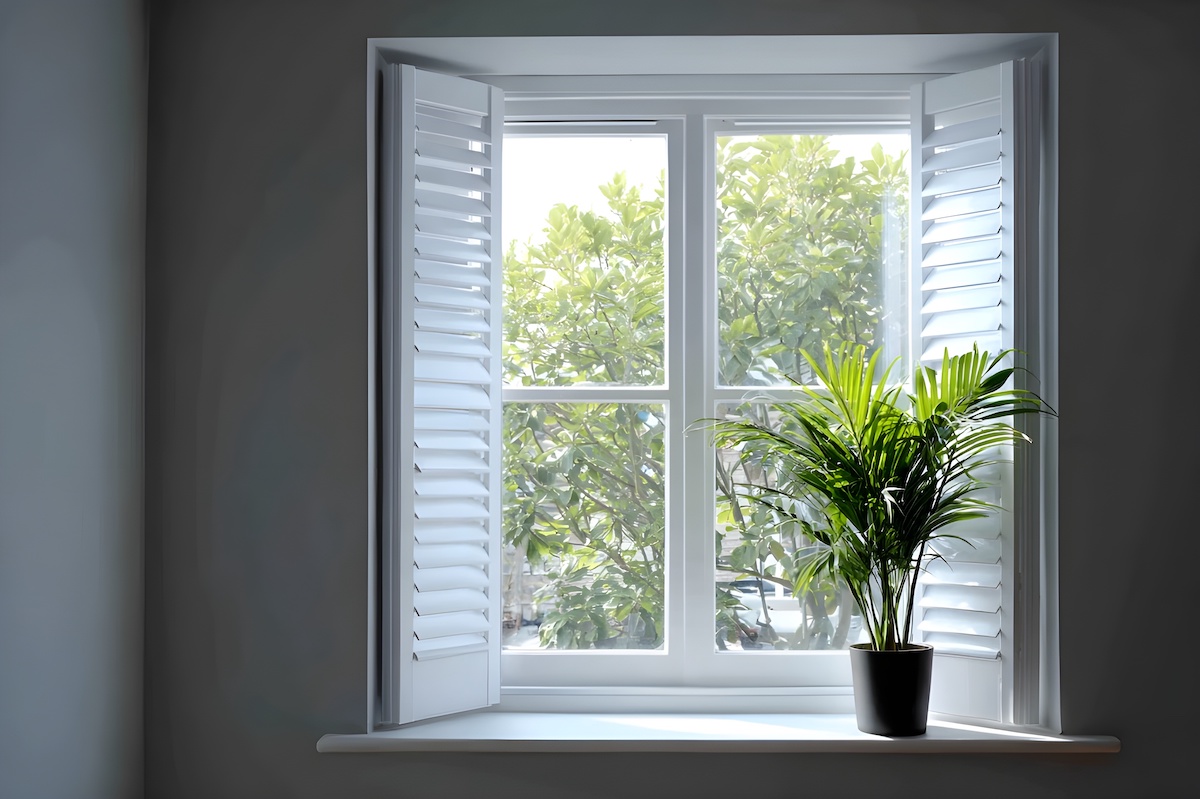
Plantation shutters are typically composed of horizontal louvers, vertical stiles, and tilt rods—either visible or hidden—that control louver movement. The frames are mounted inside window casings and are designed to open fully or tilt for light and airflow control. In homes across Savannah or rentals in the Florida Keys, these window dressings offer visual appeal and practical advantages. But in humid climates or after prolonged use, wood may warp or hardware may loosen, making your shutters difficult to close.
Diagnose Before You Repair
Before learning how to fix plantation shutters, you’ll need to identify the specific issue. Are the slats skewed? Are the panels not sitting flush in the frame? Is the tilt rod loose? Begin with a visual check. Gently tilt or press the louvers to pinpoint where the problem starts. This step is especially important in high-humidity settings—like New Orleans or Honolulu—where wooden components are more likely to swell or jam.
Common plantation shutter issues include:
- Louvers that don’t stay in position
- Misaligned or stubborn panels
- Sticky hinges causing limited movement
- Detached or wobbly tilt rods
In family homes near the Gulf Coast, with salty air and frequent use, these problems can crop up more often than expected. Pinpointing the cause ensures an efficient repair and keeps your shutters looking sharp.
Adjust Louver Tension Screws
One of the simplest ways to approach how to fix plantation shutters is to tighten the louver tension screws. Many modern models include side-mounted screws that adjust the tension in each slat. If your louvers are drooping or too stiff—whether in a loft in Austin or a beach house in Santa Cruz—a small tweak might do the trick.
Find the small holes along the side of each shutter panel. Using a Phillips-head screwdriver, tighten (clockwise) or loosen (counterclockwise) the screws slightly. Make incremental adjustments and test between each turn to find the right balance. Tension issues are especially common in places like Colorado Springs, where seasonal dryness can shrink wood and loosen joints.
Reconnect or Realign Tilt Rods
Tilt rod troubles are another reason to explore how to fix plantation shutters. If the slats aren’t moving in unison, chances are a staple or clip that connects the rod to a louver has dislodged. This is common in older homes found in Asheville or Albuquerque, where original fixtures often need upkeep.
Examine the points where the rod connects with each slat. If a staple is missing, reattach it using a small finish nail, staple gun, or even fine-gauge wire. Be sure to realign the slat with the others before fastening. If the rod itself is bent or cracked, consider replacing it. Big-box stores or local supply shops like Island Tools & Timber in Key West typically carry replacements. For a creative touch, some homeowners craft new rods from bamboo or driftwood to match rustic decor.
Fix Hinges and Frame Alignment
If your shutters won’t close set into the frame, frame misalignment or worn hinges could be the issue. This is especially true in historic homes, such as those found in Boston or San Francisco, where shifting structures might impact how shutters sit against the frame.
Start by closing your shutters and checking whether they sit properly. If they look skewed or have gaps, loosen the hinge screws, reposition the panel, and retighten. In dry climates like Reno or Albuquerque, wood can split where screws are inserted. To solve this, fill the hole with wood filler or insert a glue-dipped toothpick before reinserting the screw.
These small adjustments can make a big difference and extend the life of ornamental shutter sets, particularly in vintage accommodations or lovingly restored spaces with original fixtures.
Address Warped Panels in Humid Areas
In moisture-heavy regions like Miami or Hawaii’s Hilo coast, warping is a frequent issue. Warped shutters may bulge outward or twist, making closure nearly impossible. The first step in how to fix plantation shutters with this problem is to try light, strategic moisture and pressure adjustments.
Lay the warped panel flat, and gently dampen the concave side with a cloth. Place a flat board and a heavy object on top for several hours or overnight. While not a guaranteed fix, it can help straighten mildly warped panels. For severe damage, replacing just the warped panel may be necessary. Reuse centers like Austin Creative Reuse often carry salvaged shutter parts that can help you restore your setup affordably.
Pro Tips: Shutter Maintenance and Prevention
Beyond learning how to fix plantation shutters, knowing how to maintain them makes all the difference. Regular dusting and occasional silicone-based lubrication keep hinges running smoothly. Avoid oil-based sprays, as they attract dust and grime.
Homeowners in sunny, beachside cities—such as Gulf Shores or Santa Barbara—recommend using UV window film or installing awnings to reduce direct sun exposure. These additions protect shutters from fading and warping. Long-term renters in coastal bungalows might even store shutters indoors during hurricane season to prevent storm damage.
For tiny home dwellers or van lifers using miniature shutters, consider choosing composite or plastic versions. These materials offer great durability while minimizing maintenance needs in ever-changing environments.
A Final Note on Shutter Repairs
Plantation shutters enhance homes from artist lofts in Santa Fe to elegant residences in Atlanta. Knowing how to fix plantation shutters helps preserve both function and form—whether you’re settling down or always on the move.
Take the time to assess your shutters regularly. Simple steps like tightening screws, realigning panels, or replacing worn parts can dramatically improve their performance. With a little upkeep, these classic window features will continue to offer breezy airflow, filtered light, and charming aesthetics for years to come.