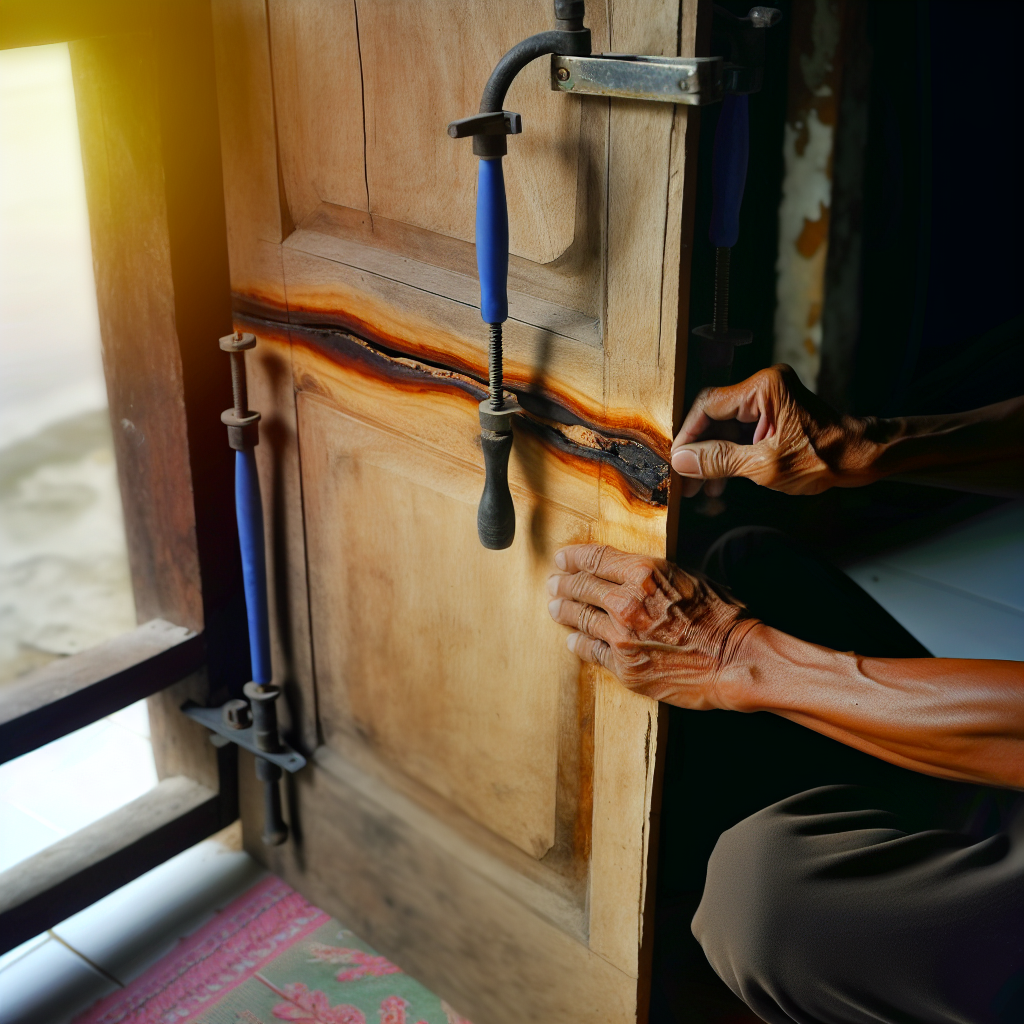
How to Fix a Cracked Door: Understanding the Problem
Knowing how to fix a cracked door is essential for anyone who loves to travel, DIY, or simply wants to save money at home. Whether you’re returning to a cabin near Telluride or wrapping up a surf day by the California coast, spotting a crack in your door is a common problem—and one you can usually solve yourself. Cracks appear for different reasons: moisture fluctuations, natural wood aging, humidity changes, or even subtle shifts in a structure’s foundation.
If you’re living the van life or staying in an Airbnb, making small repairs like this can help you stay mobile and self-reliant. After all, learning how to fix a cracked door not only saves money—it also helps maintain comfort and curb appeal wherever your journey leads.
These cracks can show up near the hinges, between door panels, or along flat wooden surfaces. In dry Vermont winters or under the desert sun in Joshua Tree, temperature swings can shrink or expand your door, causing small splits. Fortunately, with a few easy approaches, you can repair these imperfections on the go.
Essential Tools and Materials for Fixing a Cracked Door
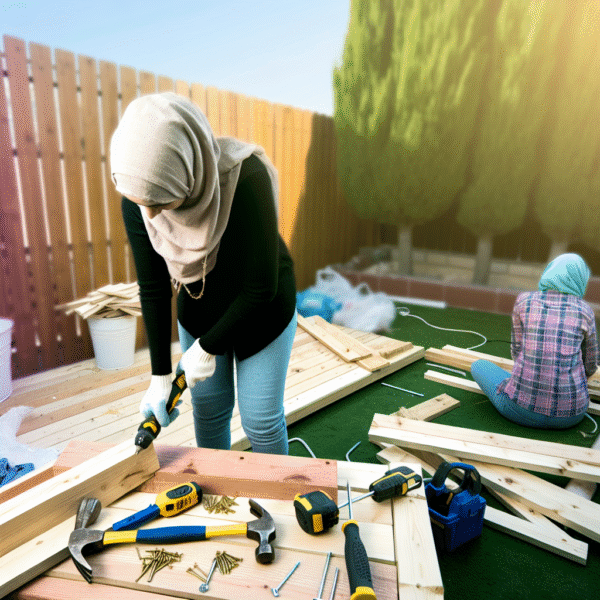
Before making any repairs, prep your toolbox with these must-have items. Whether you’re road-tripping through the Blue Ridge Mountains or camping in Oregon, you’ll want a compact repair kit that’s ready when cracks appear:
- Wood glue (for small to medium cracks)
- Wood filler or epoxy (for deeper splits)
- Clamps (bar clamps or hand clamps)
- Putty knife or scraper
- Sandpaper (120 to 220 grit)
- Screwdriver or drill
- Paint or stain, depending on the door
These tools are light enough to transport and versatile enough for use at a weekend retreat in Boulder or a rustic yurt near Yosemite. Being prepared means quicker fixes and fewer repair delays.
Method 1: How to Fix a Cracked Door Using Wood Glue
For narrow or hairline cracks, wood glue offers a simple yet strong solution. Ideal for shallow damage on interior doors, this method is effective whether you’re in a tropical Kauai bungalow or a quiet Adirondack cabin.
Follow these steps to get started:
- Clean out the crack using a small brush or air blower to remove dust.
- Squeeze wood glue into the crack—use a toothpick or fine applicator for smaller areas.
- Clamp the door tightly to seal the crack as the glue dries. For best results, let it cure at least two hours or overnight.
- Sand away any overflow and touch up with paint or stain to match the original finish.
This quick method works for anyone from first-time DIYers to seasoned travelers. It’s a reliable option whether you’re fixing a bedroom door in North Carolina or a van panel in the Utah desert.
Method 2: Repairing Larger Door Cracks with Wood Filler or Epoxy
When cracks are wide or deep—like those caused by seasonal shifts in Big Bear or exposure in Jackson Hole—you’ll need a stronger fix. That’s where wood filler or epoxy steps in.
Here’s how to fix a cracked door that needs more structural support:
- Clear out loose or weak wood from the crack using a chisel or utility knife.
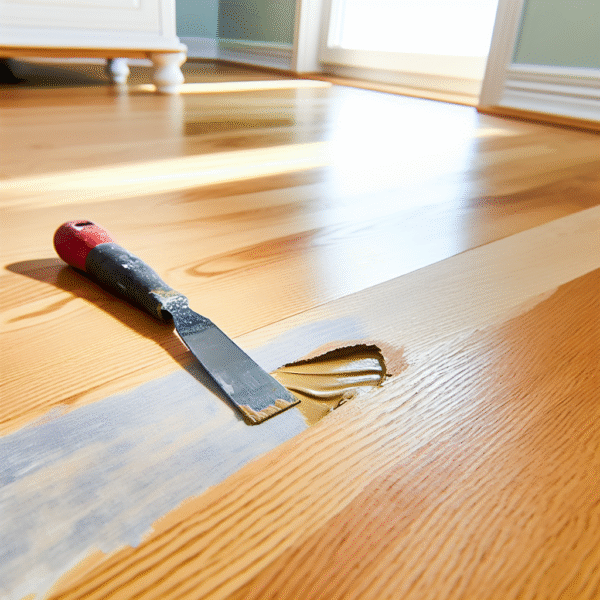
- Apply wood filler or epoxy using a putty knife. Press the material deep into the space for better hold.
- Let the filler cure per the manufacturer’s instructions—usually between 15 minutes to a few hours.
- Sand smooth once it hardens, then finish with matching paint or stain based on your location’s style.
Epoxy is especially useful in places with extreme temperatures. From Maine’s ski lodges to cabins in New Mexico, this method keeps doors tough against the elements.
Smart Tips to Prevent Door Cracks
Fixing a cracked door is great—but preventing new ones saves even more time. Whether you move often, travel seasonally, or maintain multiple properties, prevention is your long-term strategy to protect wooden doors.
- Regulate humidity: Use a dehumidifier in moist climates like Key West or Baton Rouge to minimize wood swelling.
- Seal exposed doors: Exterior wood doors in coastal or high-altitude areas benefit from waterproof sealants.
- Monitor hardware: Tighten hinges after a big move or annually to prevent strain on door frames.
- Install door stops: Avoid accidental slamming in breezy homes by using door stoppers or soft-close kits.
These habits help reduce wear, letting you spend more time enjoying places like Moab, Asheville, or Banff—and less time hauling out repair tools.
Tap Into Local Knowledge While Fixing Your Door
Sometimes, the best solutions come from the locals. If you’re faced with a door issue mid-travel, talk to hosts or neighbors. In Santa Fe, residents favor tinted putties that echo adobe architecture. In Michigan’s Upper Peninsula, shellac-based sealants protect doors from salt-laden snowdrifts.
Local hardware stores or lumberyards, often better than big chains, offer premium products fit for the region. Don’t hesitate to ask your Airbnb host or RV park manager for advice—they may even lend tools or recommend pros.
If you’re traveling with kids, invite them to help—light sanding or staining can be as fun as it is educational. For solo adventurers, tackling a cracked door is another step toward full independence on the road.
When to Call a Professional
While knowing how to fix a cracked door is empowering, not every problem is DIY-friendly. In high-moisture environments or older homes—like those in Charleston or the Florida Keys—a warped or deeply damaged door may need expert help.
If you notice issues related to foundation movement, pests, or mold, it’s best to bring in a local carpenter. These structural problems go beyond cosmetic fixes and could worsen over time.
From upstate New York villages to desert towns in Arizona, many communities have skilled tradespeople or volunteer restoration groups ready to assist. Look for local services via word-of-mouth or information boards at your campground or community center.
Keep Every Door Strong on Your Journey
No matter where you’re staying—Anchorage, Savannah, or a Denver loft—knowing how to fix a cracked door keeps your space livable and secure. With only a few basic tools and a little effort, you can confidently handle minor repairs yourself.
Understanding how cracks happen, choosing the right fix, and taking preventative steps all contribute to a smoother home—or travel—experience. Whether your door is in a vintage camper or a log cabin, your repairs will safeguard memories waiting to be made just beyond that threshold.
Every door tells part of your journey. Keeping it intact means every step forward will start with a solid frame—and a story worth opening.