Cut Home Energy Costs in Winter While Embracing the Season
Cut home energy costs in winter without sacrificing comfort—even as temperatures dip and snow blankets landscapes from Jackson Hole to Québec City. Cozying up indoors doesn’t need to result in soaring utility bills. By learning from the energy-saving habits of cold-weather locals around the world, you can enjoy a warm home while keeping expenses in check.
This guide offers practical, cost-effective strategies to stay cozy and efficient. From smart heating controls to passive solar gain, each tip frees up funds for winter activities—think hot cocoa, scenic snowshoe tours, or relaxing après-ski moments by the fire.
Weatherproof Like a Nordic Explorer
Cutting home energy costs in winter starts with sealing up the leaks. In places like Tromsø, Norway—deep in the Arctic Circle—natives combat the cold with airtight homes and layered insulation. Start by inspecting your windows, doors, and chimneys for common heat-loss culprits.
Try these affordable Nordic-inspired methods:
- Apply adhesive weather stripping to seal window and door frame gaps
- Use door snakes or draft stoppers along the bottom of exterior doors
- Hang thermal curtains to retain heated indoor air
- Install a chimney balloon to block unused flues
In Banff, Alberta—where long winters are the norm—homeowners use budget-friendly insulation kits, found at hardware stores like Home Depot, to cut heat loss by up to 25%. For less than $50 per window setup, these tools save energy all season long.
Maximize Your Thermostat’s Potential
Your thermostat is a critical tool to cut home energy costs in winter. Smart thermostats like Nest or Ecobee let you program heating schedules based on your lifestyle, preventing wasted energy when you’re away or asleep.
Lowering the temperature by just 1°F can shave 3% off your heating bill. For best results, follow these Department of Energy guidelines:
- Set to 68°F while awake
- Lower to 60°F while you’re asleep or out
In winter-savvy cities like Boulder, Colorado, travelers rely on remote thermostat apps to heat their homes only when needed. Whether you’re enjoying a ski run or heading to a snowy film festival, smart heating adjusts automatically to save you money and energy.
Let the Winter Sun Warm Your Space
Even on snowy days, natural light can help cut home energy costs in winter. Homes in Canada’s Champlain Valley and the U.S. Northeast rely on passive solar heating to stay comfortable without extra fuel.
Make the most of daylight with these simple actions:
- Open curtains on south- and west-facing windows during daylight hours
- Keep window glass clean for maximum solar gain
- Close curtains at sunset to trap heat inside
- Choose insulated window coverings for added nighttime warmth
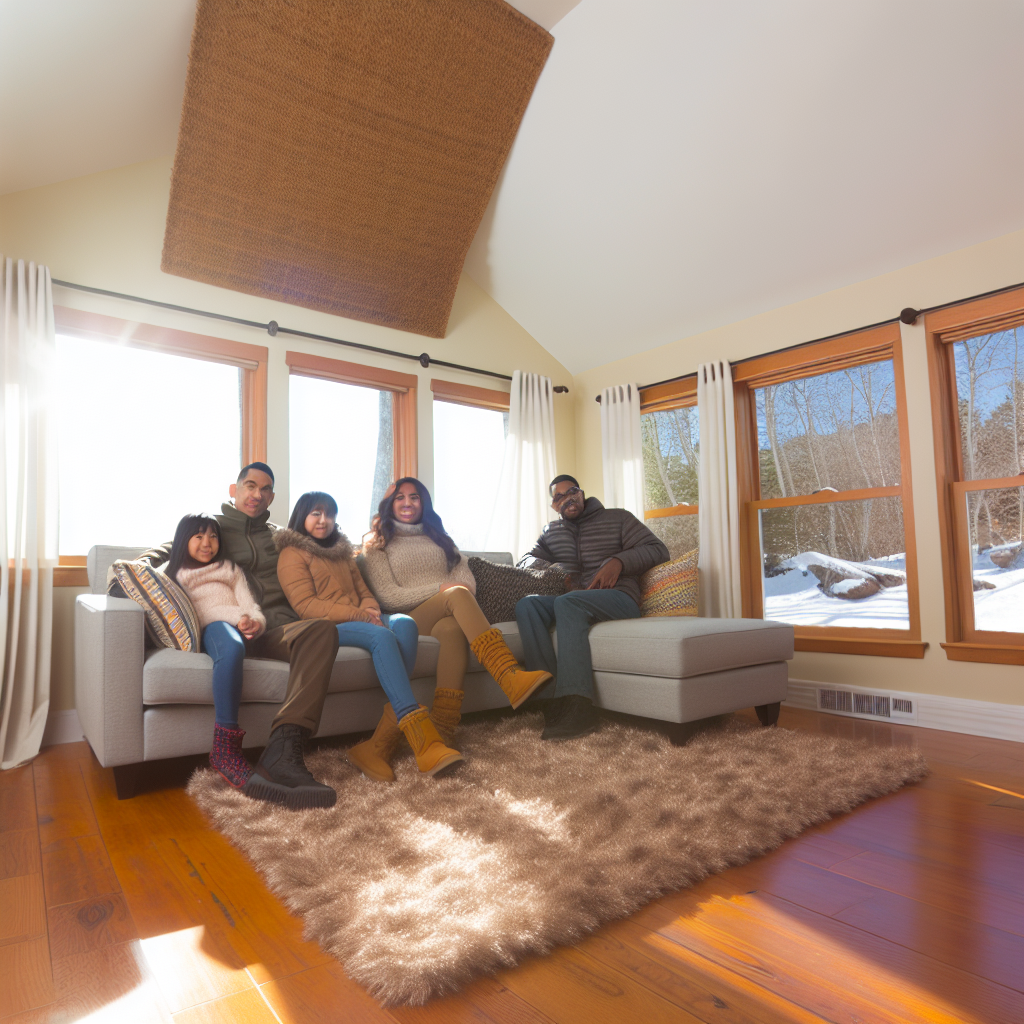
Locals in Colorado’s Front Range often place furniture to catch warming midday rays. This zero-cost tactic helps maintain temperatures and reduces dependence on heaters—without compromising comfort.
Reverse Ceiling Fans to Circulate Warm Air
In mountain towns like Asheville, North Carolina, reversing ceiling fan direction is a widely used trick. Set fans to rotate clockwise at low speed during winter to push rising warm air back down into the living space.
This one-minute adjustment is perfect for rooms with vaulted ceilings—like cabins in Vermont’s Green Mountains—and improves overall comfort. With proper circulation, you’ll rely less on your heating system to maintain warmth throughout your home.
Focus Heat Only Where You Need It
Don’t waste energy heating unoccupied rooms. Whether you live in a Hudson Valley farmhouse or Nova Scotia cottage, closing off unused spaces can significantly cut home energy costs in winter.
Try these zoning strategies:
- Use vent covers or magnetic vent blockers
- Close doors to empty rooms and place draft stoppers at the base
- Use space heaters selectively in basements, attics, or guest rooms
If you rent out part of your home during ski season, consider zoned heating systems or electric fireplaces to target warmth only where it’s truly needed. This method easily reduces wasted energy, lowering your bill without lowering your comfort.
Stay Warm with Layers—Inside Your Home
Layering isn’t just for the slopes of the Swiss Alps. Indoors, the right textiles and materials help cut home energy costs in winter by keeping body heat where it belongs—close to you.
Outfit your home with warmth-enhancing tools:
- Switch to flannel or fleece bedding
- Add thick area rugs to insulate floors
- Wear thermal socks and base layers daily
- Snuggle in heated blankets or use microwavable grain packs
Icelandic families, used to long dark winters, combine these passive heating methods with central systems to stay snug without excessive energy demands. In your home, these simple swaps lead to real warmth and real savings.
Invest in Smart, Long-Term Energy Upgrades
For homeowners planning to stay in colder regions—or frequent winter travelers returning to the same getaways—it pays to think long-term when aiming to cut home energy costs in winter.
Strategic upgrades that boost efficiency include:
- Installing double or triple-pane windows
- Upgrading attic insulation to R-38 levels or higher
- Replacing exterior doors with insulated models
- Switching to high-efficiency furnaces or heat pumps
You don’t have to foot the whole bill alone. Energy providers like Xcel Energy and ConEd often offer rebates for these improvements. While upfront costs may be higher, long-term savings pay for ski passes, new gear, or another Northern Lights excursion in no time.
Smart Savings Lead to More Winter Adventures
Cutting home energy costs in winter isn’t just smart—it’s empowering. With a few mindful adjustments at home, you can enjoy every flake of the season without stressing over rising bills. From sunlight-filled days in Ottawa to cozy fireplaces in Vermont, efficiency and comfort go hand-in-hand when you mix wisdom from winter-resilient places with today’s smart tech.
So, layer up, program that thermostat, and seal out the cold. Your wallet—and your next great winter experience—will thank you.