Understanding the Hidden Costs of Buying a Home
The hidden costs of buying a home often surprise even experienced buyers. It’s not just about the listing price or down payment—numerous expenses can derail budgets and delay your plans. Whether you’re moving to a serene mountain town like Asheville, North Carolina, or setting roots in Sacramento’s buzzing Midtown, it’s essential to understand what truly comes with homeownership.
This guide is crafted for families, solo buyers, and lifestyle seekers looking for a semi-permanent base or long-term stay. Avoid unexpected financial hiccups by uncovering the real expenses behind that dream address.
Home Inspections: Beyond the Basics
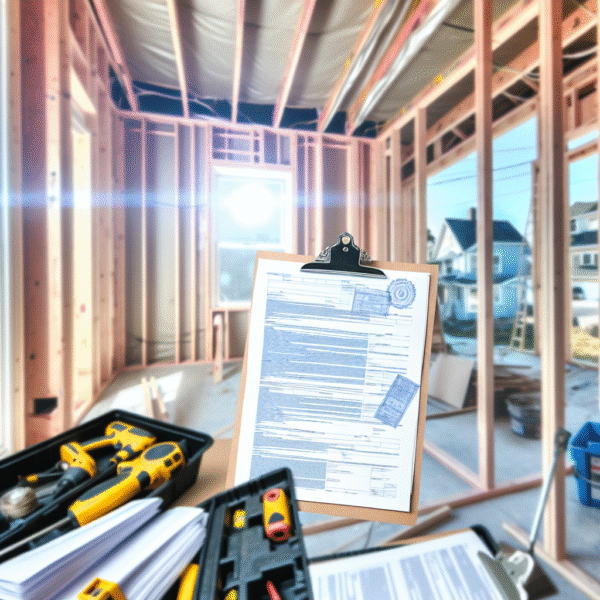
A standard home inspection is a must, but it doesn’t cover all risks. Depending on the region, specialized inspections may be required and can add up quickly.
In Sedona, Arizona, expansive clay soils demand structural assessments. In coastal Port Angeles, Washington, include pest inspections due to moisture-loving termites common in older homes. Considering a home in mountain regions like Lake Tahoe or Colorado’s San Juans? Radon and mold testing are essential due to snowmelt and geological conditions.
Each specialized inspection ranges from $100 to $800. Smart buyers budget at least $1,000 to $2,500 for complete peace of mind.
Closing Costs: The Final Price Tag
Closing day expenses are among the most underestimated hidden costs of buying a home. On average, buyers spend 2% to 5% of the purchase price on closing, which means between $6,000 and $15,000 for a $300,000 home.
In fast-moving markets like Salt Lake City and Denver, buyers often agree to cover extra costs to close quickly. Common fees include:
- Title insurance: Especially in California, where rates start around $1,500.
- Attorney fees: Required in states like New York or Massachusetts—typically $1,000 to $3,000.
- Escrow account setup: Initial deposits may range from $2,000 to $5,000.
Tip: In attorney-optional states like Colorado and Oregon, consider using a trusted real estate broker combined with an escrow company to save money during contract review and closing.
HOA Fees and Community Assessments
If your ideal home is a mountain chalet in Jackson or a sleek condo in Denver’s RiNo Arts District, prepare for HOA fees—a common example of the hidden costs of buying a home.
Monthly or quarterly dues can range from $150 to over $1,000, depending on available amenities like gyms, pools, or snow removal. High-demand neighborhoods such as Aspen’s Red Mountain often carry premiums over $500 monthly.
Even in affordable places like Boise or Flagstaff, HOAs manage infrastructure costs. To avoid unexpected charges, always review the HOA’s financials and talk to residents about reputation and management quality.
Property Taxes and Local Levies
Even modest properties can come with substantial tax bills. For example, in Rochester, NY, taxes can exceed 3% annually despite low home prices. Meanwhile, in Texas counties like Travis (home to Austin), property taxes often top 2% annually to balance the lack of state income tax.
In parts of California, added costs like Mello-Roos taxes—which fund schools and infrastructure—can add thousands to your annual bill. These levies are not always visible on listings, so do your homework on assessor websites and local forums before committing.
Insurance and Natural Disaster Coverage
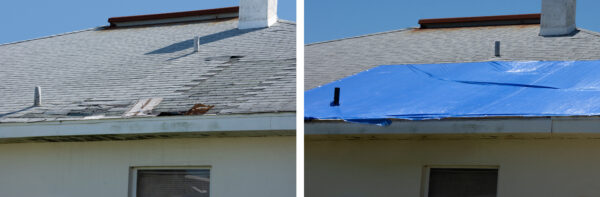
Standard homeowners insurance isn’t enough in risky areas. A major hidden cost of buying a home is supplemental coverage for disasters like flooding, wildfires, or hurricanes.
In Charleston or New Orleans, flood insurance is a necessity, often costing $1,000 to $2,500 each year. In wildfire zones such as California’s Santa Cruz Mountains, annual fire coverage can exceed $3,000 in high-risk areas. Meanwhile, hurricane-prone spots in Florida may require separate windstorm coverage.
Before buying, explore FEMA’s Flood Map Service or CalFire’s risk zones to understand your insurance obligations. Some lenders won’t approve loans without full coverage in these regions.
Utilities, Maintenance, and Daily Upkeep
Transitioning from renting to owning means taking on all utility and maintenance responsibilities. Your water, gas, electricity, and trash bills are now all on you—and costs vary widely by location.
In rural areas like Maine or Washington’s Methow Valley, you may rely on propane or well systems. Mountain towns like Truckee, California, often require private snow removal services that can cost $1,000 or more per season. Desert homes in Moab may avoid heating costs but need efficient A/C systems—and potentially solar, which costs $15,000 to $30,000 upfront.
Don’t forget tools—mowers, shovels, and sump pumps add unexpected costs. In places like Ann Arbor, where spring thaws are common, flooding basements call for extra prep and expense.
The Emotional and Time Commitment
Beyond financial concerns, another hidden cost of buying a home is the time and emotional energy required. From lengthy closings to home repairs, energy once used for travel or family outings can quickly shift to renovation tasks.
If you’re eager to explore Boulder’s scenery or kayak the San Juan Islands, factor in how much time homeownership will take from your adventures. Planning for that opportunity cost helps protect both your lifestyle and your finances.
Tap Into Local Insights
The smartest way to uncover the hidden costs of buying a home is by talking to locals. Casual conversations at community hubs like Hyperion Coffee in Ypsilanti or Bodhi in Boise can reveal insider knowledge that agents might not share.
Locals can tell you which neighborhoods suffer from blackouts or have higher insurance due to air traffic noise. Attend community meetings, join local Facebook groups, or ask around at farmers markets—you’ll gain insights that save money and headaches.
Buying a home is more than a transaction—it’s a lifestyle shift. Whether you crave life beneath the summits of the Rockies or in the heart of an art-lover’s district, knowing all the hidden expenses ensures your dream home enhances your life, not drains it. With proper planning, your home base can support both your daily needs and your thirst for adventure.