How to Compare Pricing for Custom Home Builders: Maximize Value on Your New Home Build
Knowing how to compare pricing for custom home builders is crucial before breaking ground on the home of your dreams. Whether you’re building in the pine forests of Bend, Oregon, or the scenic foothills of Asheville, North Carolina, understanding builder pricing will help you make informed decisions and avoid costly surprises.
The term “custom” often signals high costs—but it doesn’t have to mean overpriced. By understanding what influences those numbers and how to interpret them, you’ll be better positioned to select a builder that aligns with your goals and budget.
What Drives the Pricing for a Custom Home?
Before comparing bids, understand what factors into the price of a custom home. Just as a successful cross-country road trip requires a detailed map and clear priorities, planning your custom build does too.
Key cost drivers include:
- Location and Land Conditions: A mountainside parcel in Durango, Colorado may require significant excavation, while a flat site in Chapel Hill, North Carolina could cost less to prepare.
- Design and Architecture: Complex, multi-story designs or unique elements like cantilevered decks and wall-to-wall windows increase both materials and labor costs.
- Materials and Upgrades: Premium selections, such as reclaimed Vermont hardwood or hand-cut limestone in Texas, will impact your bottom line.
- Labor and Permitting: In areas with contractor shortages—such as Bozeman, Montana—expect elevated labor costs and longer permitting times.
- Infrastructure and Utilities: Remote builds may require septic systems, solar setups, or water well installation, as seen in places like Sedona, Arizona.
Knowing these cost contributors equips you to evaluate estimates more effectively and fosters smoother conversations with builders.
Always Request Itemized Estimates
Many homeowners struggle with how to compare pricing for custom home builders when faced with wildly different total quotes. An estimate of $400,000 from one builder and $700,000 from another appears confusing—until you examine what each includes.
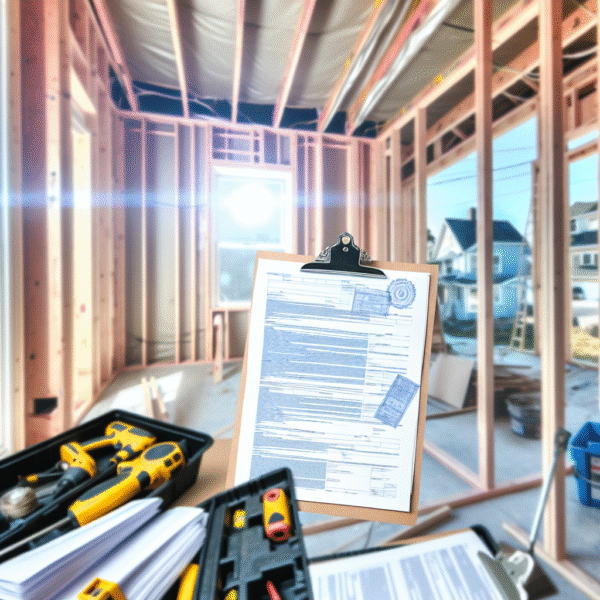
Request line-item breakdowns with costs grouped into categories such as:
- Site preparation and excavation
- Framing and foundation work
- HVAC, plumbing, and electrical systems
- Interior finishes like flooring, cabinetry, and countertops
- Exterior materials including roofing, siding, and windows
These details reveal regional differences too—a New Hampshire builder may factor extra snow-load reinforcements into framing, while a coastal South Carolina builder might include flood elevation work. Seeing estimates in this format helps you spot what’s missing, inflated, or undervalued in each bid.
Research Builder Portfolios by Region and Style
Seeing is believing. When learning how to compare pricing for custom home builders, visit completed homes similar to your future build. If you’re planning in Truckee or the Sierra foothills, tour homes with steep grading and winter resilience features.
Ask each builder:
- Does their work reflect your desired style, materials, and scope?
- Did past clients encounter budget surprises or change orders?
- Did the final cost closely match the initial estimate?
Some firms, especially in regions like Austin, Texas or Lake Tahoe, specialize in specific home types—energy-efficient family homes or remote vacation lodges. Matching your vision with their expertise helps narrow your list of qualified contractors.
Evaluate the Level of Customization Offered
The term “custom” varies between builders. Some offer semi-custom variations of stock plans, while others create fully bespoke homes—including layout changes and eco-friendly integrations from the ground up.
Families building in the Berkshires, for instance, may need aging-in-place upgrades and LEED-certified components. A builder offering architectural services and green consulting may be more valuable than one charging extra for minor tweaks.
Clarify the following:
- Are modifications to design allowed without major upcharges?
- Is permitting and site planning included in the base price?
- Are energy-efficient systems standard or considered upgrades?
Builders with strong communication and flexibility—especially in areas with short build seasons like northern Michigan—can save time, money, and stress over the course of your project.
Inquire About Timelines and Budget Reliability
Learning how to compare pricing for custom home builders means more than reviewing dollar figures. Timeline expectations, seasonal constraints, and cost overrun history can impact project stress and final outcomes.
Discuss the following with each builder:
- What’s the expected build time for your project scope and area?
- How do they handle weather delays, subcontractor no-shows, or material shortages?
- What percentage of past projects exceeded budget, and what caused it?
A builder near Moab, Utah, might offer a budget-friendly quote—but if they consistently run over schedule due to permit delays or crew changes, it could ultimately cost more. Conversely, a more conservative builder in Wyoming who allows ample buffer time may deliver better value in the long run.
Use Local Recommendations to Your Advantage
Don’t underestimate the power of word-of-mouth when figuring out how to compare pricing for custom home builders. Whether you’re building near Lake Chelan, Washington, or in Evergreen, Colorado, local insight ensures you’re hiring someone with a trustworthy reputation.
Speak with:
- Real estate agents and inspectors who work with builders regularly
- Hardware store employees and tradespeople familiar with local jobs
- Neighbors, especially those with recently completed homes
These sources often reveal helpful info—like which contractors show up on time, who specializes in rustic design, or which ones abandoned projects mid-way. You may even find builders skilled in artisan features like hand-placed stonework or integrated landscaping.
Smart Ways to Lower Costs Without Compromising Quality
If you’re seeking real value, not just the lowest bid, you need targeted strategies beyond price tags. The process of how to compare pricing for custom home builders includes understanding where small tweaks can lead to major savings.
Consider the following:
- Build in shoulder seasons: Begin construction in late fall or early spring, particularly in regions like Big Sky, Montana, to catch better subcontractor availability and competitive pricing.
- Choose semi-custom options: Builders with flexible stock plans often allow personalization without architect-level costs.
- Phase your build: Focus on the primary home first and delay extras like outbuildings or landscaping until phase two.
Also, sourcing local materials—such as Virginia fieldstone or Oregon cedar—reduces transportation costs and supports sustainability. Designing open spaces, rather than many small rooms, can also stretch your square footage and lower construction complexity.
Final Tips on How to Compare Pricing for Custom Home Builders
Choosing the right custom builder is about value—not just cost. When you understand how to compare pricing for custom home builders with clarity and purpose, you align your budget, lifestyle, and timeline with the right partner.
Dig into details early. Examine itemized estimates. Walk past homes they’ve built. Speak with locals. Ask hard questions about timelines, overruns, and flexibility. Whether you’re building a mountaintop escape in the Smokies or a vineyard retreat in Sonoma, these steps will help you turn your dream into a rewarding investment.