Why Building Code Requirements Matter When Planning a Home Renovation
Building Code Requirements are the first thing homeowners should consider when planning a renovation. Whether you’re remodeling a kitchen or converting a garage into guest quarters, understanding local codes ensures your project is safe, efficient, and legally sound.
From the spacing of electrical outlets to the height of a porch railing, building codes protect both current occupants and future homeowners. Ignoring them could lead to costly fines, dangerous living conditions, and roadblocks when it’s time to sell or insure the property. In cities like Boulder, Colorado, strict codes also play a vital role in preserving community character and environmental goals.
Whether enhancing a vintage adobe in New Mexico or finishing a ski chalet basement in Vermont, respecting Building Code Requirements should be a priority from day one.
Understanding the Basics: What Building Code Requirements Usually Cover
While code specifics vary by location, several universal elements show up almost everywhere. Building Code Requirements typically address structural safety, fire prevention, ventilation standards, electrical systems, plumbing, and energy efficiency.
In Flagstaff, Arizona, for example, snow load calculations are required because heavy winter storms are common. In California, those converting a garage into an ADU must follow state mandates for ceiling height, emergency exits, and water-efficient fixtures. Similarly, Portland, Oregon’s love for rooftop decks means tighter regulations around privacy and stability.
Planning to go solar in Albuquerque? Local codes in New Mexico demand proper grounding, weatherproofing, and inverter placement. Before making changes, visit your city’s building department website or drop by in person to grab the latest code guides.
Practical Tips: Navigating Local Code Offices and Permitting Processes
Getting in touch with your local planning office is one of the most helpful steps you can take. In smaller towns like Moab, Utah, staff often provide one-on-one guidance, especially for historic homes or properties near protected parklands.
In larger cities like Austin, Texas, digital permitting is the norm. The city’s AB+C portal allows users to submit renovation plans, monitor zoning issues, and schedule inspections all online. This system streamlines communication and helps avoid unnecessary delays.
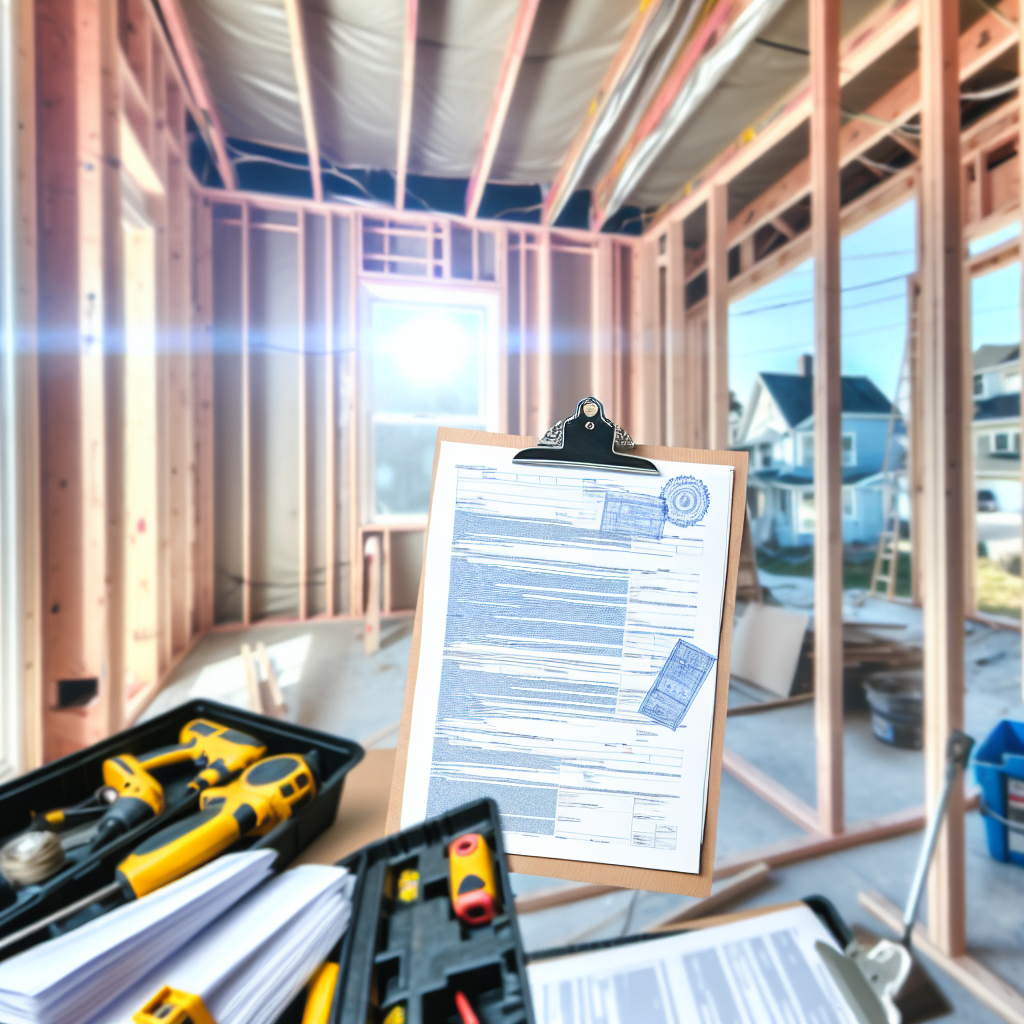
Always keep a detailed file of permits, inspection reports, and correspondence. These documents not only validate your home’s compliance with Building Code Requirements but also increase resale value and make future renovations easier.
Preserving Character While Meeting Building Code Requirements
Older properties in historic areas—like Savannah’s stone rowhouses or Lake Tahoe’s craftsman bungalows—pose additional renovation challenges. Balancing charm with code compliance requires thoughtful planning and a collaborative approach.
In Charleston, home to a strict architectural review board, modern features like vinyl windows may not be allowed, even if they improve efficiency. Renovating adobe structures in New Mexico? You’ll need traditional materials and techniques that comply with both modern codes and community standards.
Working with architects who specialize in historic preservation ensures your updates stay authentic while still satisfying today’s Building Code Requirements.
Outdoor Additions: Understanding Codes for Decks, Fences, and Fire Pits
Outdoor living upgrades—like decks, patios, or fire features—offer lifestyle enhancements but come with their own set of rules. Even a seemingly simple deck must meet safety standards for railing height, load-bearing performance, stair slope, and baluster spacing.
In snow-heavy places like Jackson Hole, Wyoming, building codes may also require slip-resistant surfaces and stronger materials to support snow loads. Fire pits add ambiance, but in wildfire-prone areas such as Northern California or Colorado, open flames may be prohibited in favor of gas-fed solutions with auto shut-off systems.
Review code requirements for all outdoor features. Fire codes are sometimes governed by separate agencies, so check with the fire marshal in addition to the building department.
Working With Contractors: Knowing Your Rights and Responsibilities
Hiring a licensed, well-reviewed contractor is essential to meet Building Code Requirements. A reputable contractor handles permitting, understands local code nuances, and ensures each phase of construction passes inspection.
Always ask for licensing and insurance documentation. In Oregon and Washington, professionals must list license numbers on all marketing materials. You can verify credentials through state licensing databases like California’s CSLB site, which also lists past violations.
If staying onsite during work—such as renovating a vacation property in Lake Placid into a family home—request a complete schedule detailing inspections and deadlines. Join your contractor during critical inspection appointments to catch and resolve any issues promptly.
Insider Insights: Locals’ Advice Across Regions
Homeowners across the U.S. know their area’s unique regulatory tips. In Bozeman, Montana, rural flexibility collides with strict FEMA floodplain codes. Florida Keys residents prioritize hurricane resilience, favoring rust-proof materials and hiring structural engineers early in the design process.
In Hawaii, building on culturally important land requires sensitivity and sometimes consultation with cultural resource specialists. Respect is as critical as compliance. Networking with local experts often starts with conversations at hardware stores or lumberyards—regional staff frequently offer practical, location-specific insights.
One Durango homeowner avoided a costly reinspection thanks to advice from a hardware store clerk who flagged minor joist spacing issues. Local knowledge can be your greatest renovation asset.
What Travelers-Turned-Homeowners Should Know
If you’ve transitioned from visitor to resident, welcoming a fresh start in a beloved destination, keep in mind that Building Code Requirements vary widely. That hillside home in Marin County might need a geotechnical report and seismic retrofits before you add a playroom or yoga studio.
Renters making permanent improvements should consult both their landlords and the local permitting office. Community associations in towns like Sedona often enforce appearance guidelines beyond official code—including rules for fencing, lighting, and exterior finishes.
For international moves, research is even more critical. Renovating a villa in Italy or a coastal bungalow in Costa Rica often involves unfamiliar permitting systems. Hiring bilingual specialists or local architects can smooth the process. Trusted local real estate agents may have vetted contacts to recommend.
Whether you’re abroad or just across the state line, always take the time to understand—and respect—the Building Code Requirements that keep homes beautiful, durable, and safe.