Should I Go Solar for My Home? A Practical Guide for Savvy Homeowners and Adventure Lovers
Should I go solar for my home? It’s a question more and more homeowners are asking—especially those who return from sun-soaked hiking adventures in Northern California or weekend biking trips across Utah’s vibrant canyons. The allure of harnessing sunshine to power daily life resonates deeply with eco-conscious adventurers and practical families alike.
Whether you’re settled in Phoenix aiming to trim utility costs, maintaining a quiet cabin in Colorado, or bouncing between destinations with a home base in Oregon, solar energy can align with your values and goals. This in-depth guide offers insight into the benefits, pitfalls, and practical considerations that will help you determine if solar is the bright solution your home—and lifestyle—needs.
The Benefits of Going Solar for Homeowners
One of the biggest perks of going solar is the impact it makes on your electricity bills. In sunny cities like Albuquerque, homeowners typically save over $1,000 annually, according to Positive Energy Solar. Even places with milder climates—such as Asheville, North Carolina—offer excellent return on investment thanks to state incentives and net metering programs.
For eco-minded travelers, the appeal goes beyond savings. Saying yes to solar is a lifestyle choice that reduces your carbon footprint. It mirrors other low-impact habits, like carrying reusable water bottles on a hike through Moab or responsibly camping in the Smoky Mountains.
Digital nomads and frequent travelers love solar paired with storage systems like the Tesla Powerwall. With this setup, your home remains powered during grid outages—no need to worry while you’re exploring Oregon’s backcountry trails or kayaking near the Apostle Islands. Security systems, refrigerators, and essential appliances keep running smoothly thanks to stored energy from sunny days.
Families also enjoy long-term financial advantages. Massachusetts offers incentives via the SMART program, while Hawaii’s high utility rates make solar a financially smart move. These programs dramatically reduce monthly costs, making solar a savvy decision for practical homeowners.
Drawbacks and Challenges: What You Need to Consider
Even with these upsides, answering should I go solar for my home requires a close look at the challenges. Upfront costs can be high—systems generally range from $15,000 to $25,000 before incentives. Federal rebates, like the Solar Investment Tax Credit, offer a helpful 30% discount, but initial financing or cash reserves are still necessary.
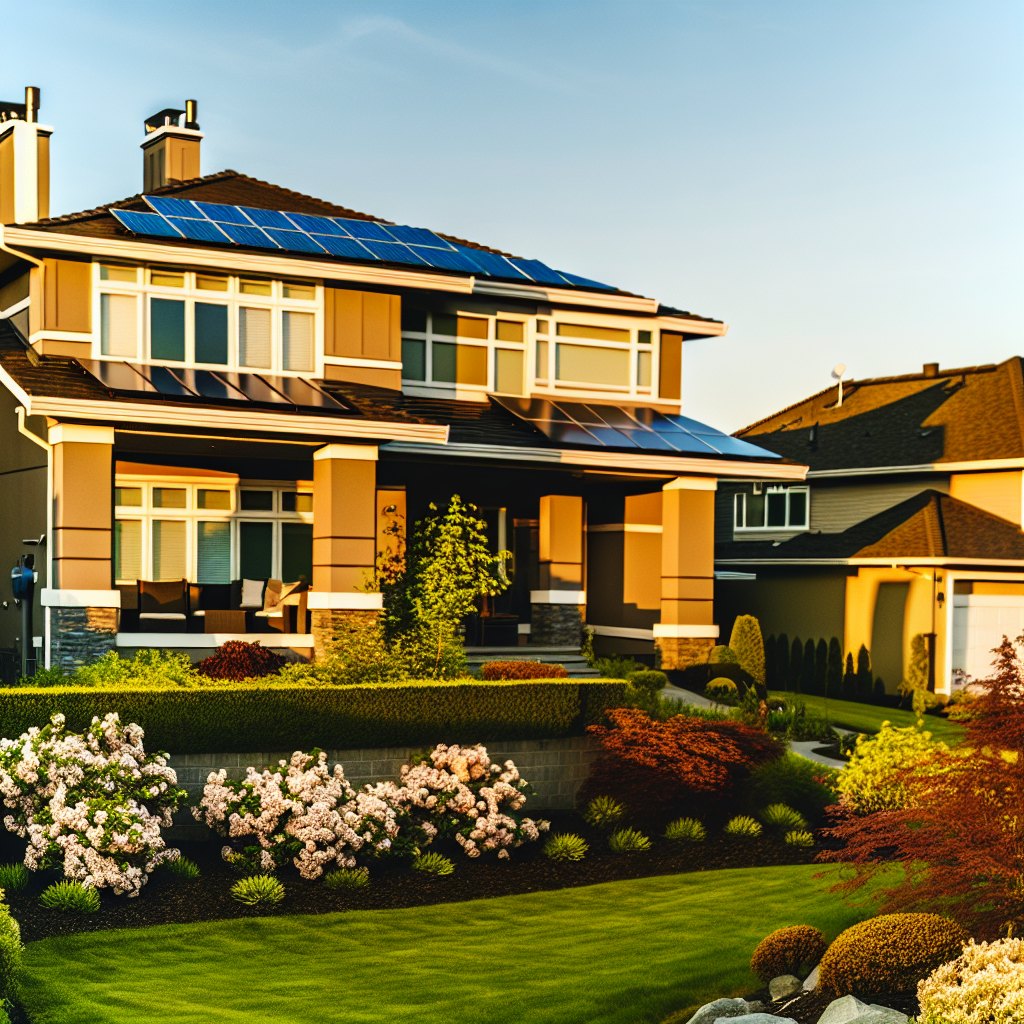
Your home’s physical setup also matters. Rooftops need to face south, with little to no shading. A house tucked under tall trees, such as those in Flagstaff or rural Oregon communes, might see lower solar performance. Local installers like Pure Energy Solar often offer roof assessments—use that service to get a clear estimate before moving forward.
Permits and homeowner association restrictions present another hurdle. For example, communities around Charleston may limit panel placement, making proper planning essential. Always check local zoning laws and HOA rules before signing contracts.
Maintenance, though relatively low, shouldn’t be overlooked. If you’re out exploring Glacier National Park for several weeks, arrange for a friend or neighbor to inspect your system after storms. Even minimal issues like debris buildup can affect power generation over time.
Where Solar Power Makes the Most Sense
Energy output varies dramatically by region—a crucial factor when reflecting on should I go solar for my home. The Southwest shines as a top performer. Homes in Arizona, Nevada, and New Mexico often enjoy over 6 peak sunlight hours daily, translating into faster ROI and maximum system efficiency.
Meanwhile, the Pacific Northwest presents different challenges. Portland and Seattle see less sun overall, but generous rebate programs and net metering help offset the gap. Your payoff period may be longer, but not necessarily less rewarding in the long run.
Some eco-conscious towns have embraced solar enthusiastically. Taos, New Mexico, for example, boasts Earthship Biotecture homes—self-sustaining dwellings powered entirely by the sun. In solar-forward regions like these, clean energy isn’t a trend—it’s part of the culture. Adding panels here aligns with both economic and environmental values.
Regardless of zip code, think about your routine. If your travels take you to Joshua Tree, Zion, or the Adirondacks often, a solar system with backup storage offers peace of mind and performance resilience when you’re away.
Expert Advice and Real-World Tips from Solar Homeowners
Locals and long-time solar users know that success starts with choosing the right setup. In sunny Austin, traveler and homeowner Kira Sharp shared this advice: “I worked with Freedom Solar Power specifically because they understood how to integrate battery backup. While I’m off hiking in Patagonia, my home runs stress-free—even during outages.”
In Salt Lake City, the Green Energy Association encourages bundling solar with EV chargers. Locals headed to Moab or Park City on weekends often report significantly reduced vehicle costs by charging at home through their solar-powered setup.
Residents in Asheville advise setting up smartphone monitoring apps such as SolarEdge or Enphase. These tools let you check production stats from anywhere—perfect for those catching sunrise views along the Blue Ridge Parkway or beach sunsets near Myrtle Beach.
Here’s a small but helpful tip: If you live near wooded areas, consider installing a critter guard. Homeowners by the Great Smoky Mountains have found that squirrels have a surprising appetite for solar wiring—something worth preventing early on.
Solar Solutions for Renters, Travelers, and Outdoor Enthusiasts
If you’re asking should I go solar for my home but don’t own property, portable panels offer a clever workaround. Brands like Jackery and Goal Zero make foldable setups perfect for van-lifers campaigning across Great Basin or Zion. These systems can power fridges, lights, laptops, and more—ideal for life on the move.
For property owners with rental cabins near Sedona or the Black Hills, solar isn’t only functional—it makes your Airbnb more appealing to eco-conscious guests. Off-grid convenience can be a key marketing asset.
Planning an RV trip? Roof-mounted panels from Renogy or kits at Camping World let you generate reliable energy on the go. They provide enough juice for essential gear after a long day exploring Bryce Canyon or the volcanic terrain of Lassen National Park. Simple, efficient, and made for the wild.
Should I Go Solar for My Home? The Final Word
Your answer to should I go solar for my home hinges on where you live, how you live, and what you value. With significant savings, eco-friendly benefits, and enhanced energy resilience, solar is a smart choice for many—but not universally perfect.
If your home gets plenty of direct sun, you expect to stay put for several years, and you love combining sustainability with adventure, solar could be your ideal investment. Review your past 12 months of energy usage, speak with a local installer about shade and roof conditions, and explore whether battery backups make sense for your on-the-move lifestyle.
Try visiting a solar-powered Airbnb for firsthand experience—perhaps tucked into the trees near Flagstaff or on a quiet ridge above Tucson. The best way to know whether solar fits your journey is to observe it in action.
In the end, swapping sunlight for energy isn’t just about efficiency or savings. It’s a reflection of how you move through the world: thoughtful, adventurous, and rooted in sustainability. If that sounds like your ethos, solar could be your next great leap forward.