How to Fix Water Leaking Into Basement After Heavy Rain
Learning how to fix water leaking into basement after heavy rain is essential for protecting your home — and your lifestyle. Whether you reside in a vintage home in Minneapolis or use a basement studio in Portland as your weekend retreat hub, heavy rain and water intrusion can disrupt your plans and cause lasting damage. The key to prevention is understanding the causes and implementing long-term, location-appropriate solutions.
Basement leaks occur for many reasons: hydrostatic pressure during storms, poor grading and drainage, or aging waterproofing systems. Homes in the Pacific Northwest might face runoff from hillsides, while flat midwestern cities like Fort Wayne often struggle with standing water around foundations.
Across diverse climates — from Baton Rouge to Savannah — homeowners are learning that there’s no one-size-fits-all. But with the right combination of inspection, drainage, repairs, and system upgrades, you can regain control of your basement and keep it dry during even the fiercest downpour.
Inspect These Common Leak Entry Points First
The first step in learning how to fix water leaking into basement after heavy rain is inspecting likely entry points. Always do this both during dry weather and shortly after a rainstorm to catch problems in action.
- Gutters and Downspouts: Debris-clogged gutters or short downspouts often cause water to pool near your foundation. Ensure downspouts extend at least 4–6 feet away. Cities like Boise and Cleveland with quick-turn storms benefit from proper runoff redirection.
- Grading: The soil should slope away from the house — at least 1 inch per foot for the first 6 feet. In Asheville or similar hillside locations, poor grading funnels water straight into basements.
- Window Wells: Below-grade basement windows need clean, well-maintained wells. Covers can prevent debris buildup and minimize seepage, especially during wet spring thaws in climates like Toronto and Tacoma.
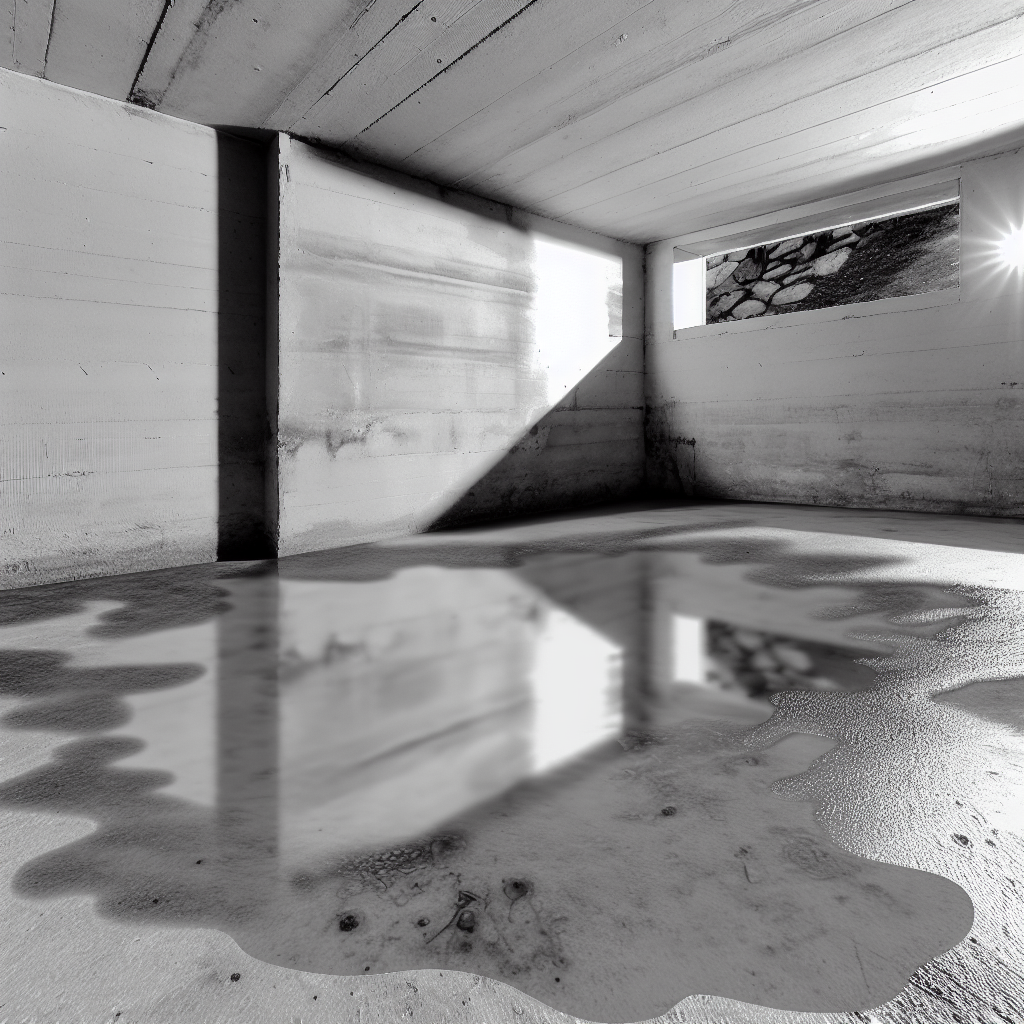
Inside, look for water trails, white mineral deposits (efflorescence), or peeling paint. These signs reveal problem areas and allow you to act before mold begins to grow.
Improve Exterior Drainage to Prevent Flooding
Another key tactic for how to fix water leaking into basement after heavy rain is enhancing your home’s ability to drain stormwater. External defenses are your first line of protection.
French drains are often used in flood-prone areas like New Orleans or Pittsburgh. These gravel-filled trenches house perforated pipes that redirect water away from your foundation. They’re positioned a few feet underground and work great in sloped yards or where gutters carry high volumes.
Dry wells and catch basins offer another solution, especially in mountainous areas like Flagstaff. These systems store stormwater underground temporarily, giving the soil around your foundation a break during heavy rainfall.
If landscaping causes water to puddle near the home, reshaping planting beds or walkways can help. In Santa Fe, homeowners use rock xeriscaping, while in Madison, rain gardens with native plants boost both curb appeal and drainage.
Seal Cracks and Apply Interior Waterproofing
If water is already creeping indoors, understanding how to fix water leaking into basement after heavy rain includes interior sealing. Fortunately, many fixes are affordable and DIY-friendly.
For small foundation wall cracks, use hydraulic cement. It expands while curing and effectively seals active leaks. In areas like St. Louis or Minneapolis — where seasonal freeze-thaw cycles stress foundation walls — large cracks may need epoxy injection by professionals.
After sealing, apply masonry waterproofing paint such as Drylok. This is ideal for walls that show weeping or moisture stains. Apply 2–3 thick coats with a stiff-bristled brush. A local trick from Vancouver: extend paint 6 inches onto the basement floor to block water at the wall base.
Interior waterproofing doesn’t replace exterior fixes — but it enhances your basement’s resistance to minor seepage and moisture.
Install or Maintain a Sump Pump System
When figuring out how to fix water leaking into basement after heavy rain, don’t overlook the value of a functional sump pump. These systems collect and eject groundwater before it can rise to your floor level.
To test your sump pump, pour a bucket of water into the basin. If it doesn’t kick on, examine the float switch and check the electrical. In storm-prone cities like Detroit and Syracuse, many residents install battery backup systems to protect during power outages.
For new installs, place the basin at the lowest point of your basement. Ensure discharge pipes slope away and won’t freeze. In cold climates such as Minneapolis, use insulated piping with a drip outlet to prevent ice blockages during winter months.
Consider an Interior Drain Tile System
A long-term solution for ongoing water problems is an interior drain tile system. This system functions by intercepting water below floor level — ideal for old homes in Boston, Buffalo, or Rochester where exterior solutions may be limited.
Installation involves cutting concrete around the interior basement perimeter, adding perforated piping and gravel, then channeling water into a sump pump. When paired with a vapor barrier wall liner, it creates a full waterproof zone and helps manage humidity too.
While professional installation is best due to complexity, understanding how this system works gives you insight when evaluating contractor bids.
Local Wisdom for Basement Leak Prevention
Sometimes the best solutions for how to fix water leaking into basement after heavy rain come from neighbors, not manuals. For example:
- In Portland’s Sellwood district, locals use percolation pits to offset a high water table.
- Charleston homeowners install oyster-shell walkways that double as rain diverters.
- In Halifax, stone cellars stay dry with earthen floors that let minor seepage evaporate more naturally than if sealed tightly.
Modern technology adds an edge: moisture meters help you monitor basement conditions, and smart Wi-Fi water alarms alert you instantly — even while hiking in Acadia or exploring the Rockies.
Secure Your Basement and Protect Your Lifestyle
Knowing how to fix water leaking into basement after heavy rain means developing a layered defense strategy. Combine exterior drainage improvements, foundation repairs, sump system upgrades, and interior waterproofing to create a unified, lasting solution.
Whether you’re protecting a family retreat, preserving vintage valuables, or planning your next gear-drying station, addressing basement leaks ensures that your space stays dry, useful, and part of your long-term plans — no matter what weather comes next.