Learning how to fix a sliding door lock can transform the functionality and security of any home. Sliding doors provide convenience and natural light, but a lock that won’t latch presents a security risk. This guide offers a straightforward DIY approach to troubleshooting and repairing these locks for enhanced security.
Understanding Sliding Door Lock Mechanisms
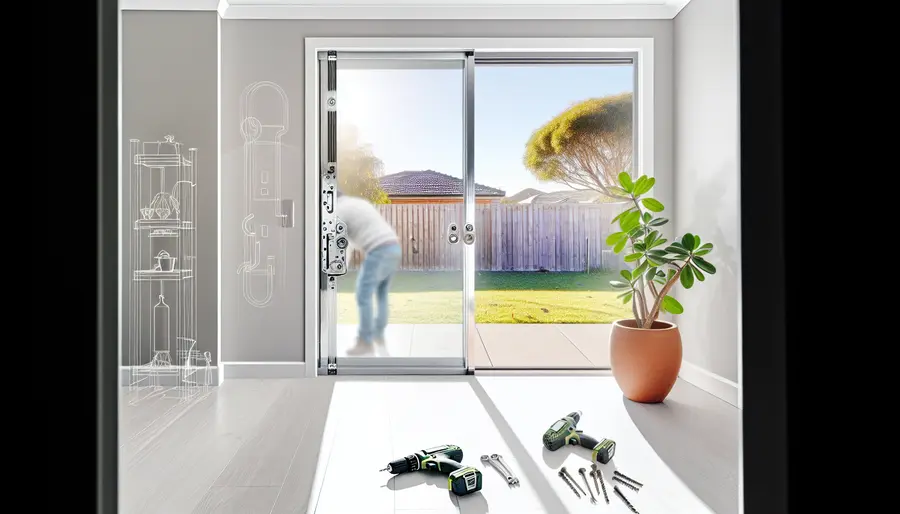
Familiarity with the sliding door lock mechanism is crucial. Most sliding doors use a hook-style lock. When you lift the handle, the hook extends into a strike plate cavity, securing the door. Misalignments or debris can disrupt this function, making a fundamental understanding of this mechanism essential for effective repair.
Assess the Lock and Alignment Issues
Start by checking the alignment of the sliding door and lock. If the lock won’t latch, it often points to misalignment. Close the door gently and look for gaps or unevenness. These signs may indicate misalignment or debris-obstructed tracks.
Inspect the lock by sliding the door shut. Ensure the lock aligns with the strike plate using a flashlight to see if the locking hook meets the catch. This visual inspection is often enlightening.
Tools and Materials Needed
Gather these essential tools for fixing a sliding door lock:
- Screwdriver set (Phillips and flathead)
- Spirit level
- Measuring tape
- WD-40 or silicone-based lubricant
- Replacement lock set (if needed)
- Adjustable wrench
- Soft cloth
- Drill with drill bits (optional)
With these tools, you’re prepared to tackle the lock problem.
Realigning Your Sliding Door
If alignment is causing issues, adjust the door’s roller levels. Most sliding doors have top and bottom adjustable rollers. Locate the adjustment screws at the bottom edge, possibly behind plastic caps, and use a Phillips screwdriver to access them.
Adjust gradually, testing the door’s movement with each tweak. Aim for smooth movement along the track, checking with a spirit level to ensure both the door and track remain level.
Lubricating and Cleaning the Lock and Track
Dirt in the locking mechanism or track may prevent latching. Use a silicone-based lubricant to clean these areas. Spray generously and operate the door multiple times to spread the lubricant. Wipe away excess with a soft cloth, avoiding oil-based products to prevent dirt buildup.
Repairing or Replacing a Faulty Lock
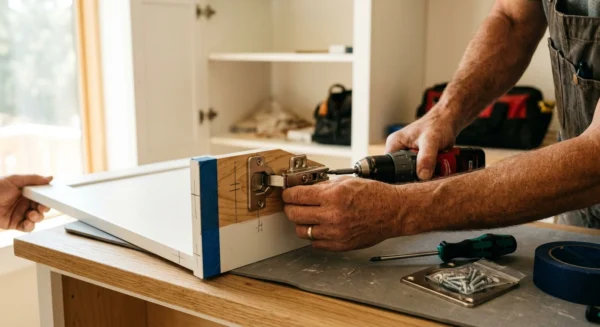
If alignment and cleaning fail, the lock might need repair or replacement. Carefully dismantle the lock using a screwdriver and inspect for wear, such as bent hooks or faulty springs.
If necessary, replace the lock. Use the old lock as a template to ensure the new lock fits and aligns with the strike plate. This cost-effective solution can often be completed with existing screw holes.
Pro Tips for DIY Success
Approach fixing a sliding door lock methodically, starting with simpler problems before more complex ones. Document each step, using photos for potential professional consultation later.
Compare prices of replacement locks online and in hardware stores to stick to your budget while ensuring quality.
Prioritize safety by wearing protective eyewear when drilling and stabilizing your door to prevent accidents. Addressing typical issues such as alignment and cleaning, alongside potential repairs, will extend your sliding door’s longevity and security.