Understanding how to fix an electrical short in a house is a crucial skill for homeowners and DIY enthusiasts. This knowledge not only saves you money on professional services for minor repairs but also enhances safety in your home. Let’s take a closer look at diagnosing and resolving electrical shorts effectively and safely.
Recognizing Electrical Short Symptoms
The process of fixing an electrical short at home begins with identifying its symptoms. A short circuit often shows signs such as frequent circuit breaker trips, flickering lights, or a burning plastic smell. These issues are more than just inconvenient, as they can lead to fire hazards. Promptly detecting the source helps prevent further damage.
Before you start troubleshooting, ensure your safety by turning off the power at your main circuit panel. Electricity can be hazardous, so always take necessary precautions.
Essential Tools for the Job
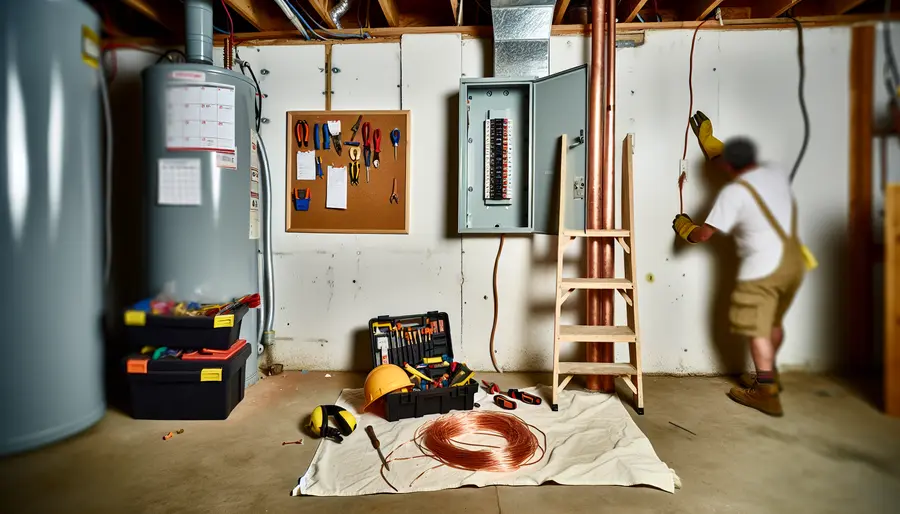
To effectively learn how to fix an electrical short in a house, gather some essential tools:
- A multimeter for testing outlets and wires
- Insulated screwdrivers for safe cover plate removal
- Wire strippers for dealing with wires
- Electrical tape and new wiring
- Safety gloves and goggles for protection
Investing in good-quality tools enhances both efficiency and safety.
Step-by-Step Troubleshooting Guide
Follow this methodical approach to fixing an electrical short at home. The steps can vary depending on whether the issue is in an outlet, light fixture, or appliance.
Step 1: Isolate the Circuit
Start by identifying the circuit with the short. Turn off all breakers except for the one controlling the problematic circuit. Once isolated, switch off the affected breaker again before examining the circuit.
Step 2: Examine Outlets and Switches
Remove cover plates from outlets or switches on the circuit and inspect them. Look for signs of damage, like charred marks or melted wires. Ensure wires are firmly attached to each outlet and switch. Loose connections may cause arcing or shorts.
Step 3: Use a Multimeter
A multimeter is critical for diagnosing an electrical short. Set it to continuity to check the circuit’s functionality. If the multimeter doesn’t beep or shows erratic readings, a short may be present.
Repairing Faulty Sections
Step 4: Fix or Replace Wires
If you find damaged wires, use wire strippers to remove the problem area. Ensure the power is off while doing so. Replace with a new wire segment, securing it with wire nuts and insulating with electrical tape.
Step 5: Reassemble and Test
Reattach outlet and switch plates after repairs. Turn the circuit breaker on again and test functionalities using a multimeter if needed. If the short persists, contact a professional electrician to avoid further risks.
Pro Tips and Safety Guidelines
Maintaining electrical safety involves following these guidelines:
- Always turn off power before inspections or repairs.
- Label circuit breakers clearly.
- Allocate sufficient time for a thorough check.
- Regularly inspect areas like kitchens and bathrooms for potential electrical issues.
Safety is essential when handling electricity. If uncertain, consider hiring a professional.
Ensuring Long-Term Electrical Safety
To maintain your home’s electrical health after fixing a short, conduct regular check-ups and update wiring as needed. Use surge protectors for sensitive electronics, and examine outlets and switches for wear regularly.
Mastering how to fix an electrical short in your house builds confidence and competence in managing your property. Adopting safe practices contributes to the longevity of your home’s electrical system and ensures the well-being of everyone inside.